


Fertility Testing for Women: What You Need to Know

Deciding on fertility tests can be confusing, particularly with the long list of blood tests, ultrasounds, and other evaluations you might see online. You can also find details on various other symptoms and conditions associated with fertility and begin to wonder whether you should get tested for all of them. Rather than matching your symptoms to a test you see online, it makes sense to have a good understanding of which tests might be suitable for you from your fertility specialist.
To help you better understand the fertility testing options for women, in this guide we will discuss common tests, what they detect, and when your doctor might suggest them. Knowing what each of the tests is looking for can help you be better prepared for your fertility evaluation.
What is a female Fertility test?
A fertility test is an evaluation conducted to help learn more about a woman's reproductive health and determine the factors that could impact her ability to become pregnant. It's not exclusive to any one test; the evaluation may vary from woman to woman.
Depending on your age, phase of your menstrual cycle, medical history, and fertility history, your doctor may recommend certain tests that may apply to you. Some women might need just a few tests, and others might need a more extensive test.
The idea is to provide your doctor with information to better understand your condition and determine if it's something they can do for you next.
When Should a Woman Consider Fertility Testing?
The best time to consider a fertility evaluation may also depend on a woman's age and past reproductive experiences. In general:
Less than 35: If you have not become pregnant after 12 months of trying, then consider an evaluation.
Age 35–39: If you haven't conceived after 6 months of trying, consider an evaluation.
Age 40 or older: If you are 40 or older, discuss your options sooner rather than waiting a few months to consult a fertility specialist.
Some medical or reproductive problems:
If you have one of these medical or reproductive problems, discuss testing with your doctor earlier than usual:
- Amenorrhea
- A history of endometriosis
- History of pelvic or reproductive surgery
- Repeated miscarriages
- Other issues that could impact fertility
Common Fertility Tests for Women
The tests conducted as part of a fertility evaluation vary depending on your situation. Your doctor may suggest one or more of the following:
1. Ovulation Testing
Ovulation testing is used to figure out if and when you release an egg during your menstrual cycle. Your doctor may review your cycle history, perform blood tests to look at hormone levels, or look at your ovaries with ultrasound.
This is especially important if periods are irregular and it's not possible to determine if they are ovulating.
2. Ovarian Reserve Testing
Ovarian reserve testing gives an approximation of how many eggs are still in the ovaries. Common tests include:
Anti-Müllerian hormone test (AMH): A blood test that measures AMH levels.
Antral follicle count (AFC): Measures small follicles (grow within the ovary) using ultrasound.
FSH and estradiol: May be checked through blood tests, depending on your situation.
These tests can be helpful during fertility treatment planning. But ovarian reserve testing is not a definitive indicator of fertility, nor does it provide an exact measurement of whether or not eggs are of good, medium, or poor quality.
3. Pelvic Ultrasound
In a pelvic ultrasound, your doctor can check the uterus and look at the ovaries. It could identify fibroids, cysts in the ovary or other abnormalities.
Ultrasounds may also be used to provide a count of antral follicles and monitor ovary health changes throughout specific phases of fertility treatment.
4. Hysterosalpingogram (HSG)
HSG is an X-ray test to look inside the uterus and see if the fallopian tubes are open.
Contrast material is being made to run through the cervix during the procedure. A series of X-ray images is then captured as the substance travels through the uterus and, if the tubes are open, through the fallopian tubes.
5. Saline Sonogram
A saline sonogram is a type of procedure that uses sterile saline fluid infused into the uterus in combination with an ultrasound to allow your doctor to better visualize your uterine cavity.
It can help detect problems like polyps, fibroids or abnormalities within the uterus. It may be suggested by your doctor when a more detailed assessment of the uterus may be indicated.
6. Hormone & Blood Tests
Blood tests can help to monitor hormone levels that impact reproductive health. Your doctor may suggest tests including:
AMH
FSH
Estradiol
Thyroid-stimulating hormone (TSH)
Prolactin
Not all women require all of these tests. Also, the timing of some blood tests may rely on your point in your menstrual cycle.
7. Genetic Testing
In specific cases, genetic testing might be suggested as part of medical or family history. For instance, genetic carrier screening can help identify if you are a carrier of any inherited conditions that may be transmitted to your child.
What Do Fertility Test Results Mean?
The test answer is not as simple as “fertile” or “infertile.” Results may be in or outside the expected ranges; they may indicate something that requires further examination, or they may give some information that can be useful when planning treatment.
However, a low ovarian reserve doesn't mean you can't get pregnant. In the same way, having a blocked Fallopian tube does not imply that there are no ways of having a baby. Consequences of a result can vary depending on the situation and other information.
Your specialist will let you know what your results mean, if anything needs further assessment, and if treatment is recommended. In some cases, the findings might not suggest one single cause for infertility, and your doctor may review the available options, depending on your health status.
What Happens During a Female Fertility Evaluation?
Donor sperm can be a significant factor in a single woman undergoing treatment who is trying to become pregnant. It is collected from licensed sperm banks with in-depth screening before approval for sperm donation.
The screening usually consists of:
- Review of medical and family health history.
- Screening for inherited disorders.
- Infectious disease testing
- Semen quality assessment
You might be able to look at information like factors, ethnicity, education, interests, and personal background when choosing a donor. Some sperm banks will even offer childhood photos, audio interviews, or personal essays to help you choose the sperm donor you want.
Your fertility clinic will determine which donor is best for you and make sure that the donor fits all necessary medical and safety criteria before treatment starts.
Fertility Testing for Single Women Before Starting Treatment
The first fertility visit typically includes a consultation and fertility tests to assess your reproductive status. This provides a clear foundation for family planning for single women, helping you decide whether IUI, IVF, or egg freezing makes the most sense for your goals.
The evaluation may include:
Medical history review:
Your overall health, menstrual cycle, meds, previous pregnancies, and medical history in your family.
Hormone testing:
Blood tests for hormone levels and fertility/ovulation.
Ovarian reserve testing:
These tests help to measure the number of eggs available and the functioning of the female ovaries.
Pelvic ultrasound:
A procedure in which sound waves are bounced off the inside of the uterus and the inside of the ovary to make sure that the structure of the uterus and ovary is not abnormal and can support them achieving pregnancy.
Fallopian tube assessment:
X-rays that are useful for determining if the fallopian tubes are open and working.
What to Know Before Becoming a Single Mother by Choice
1. Consultation
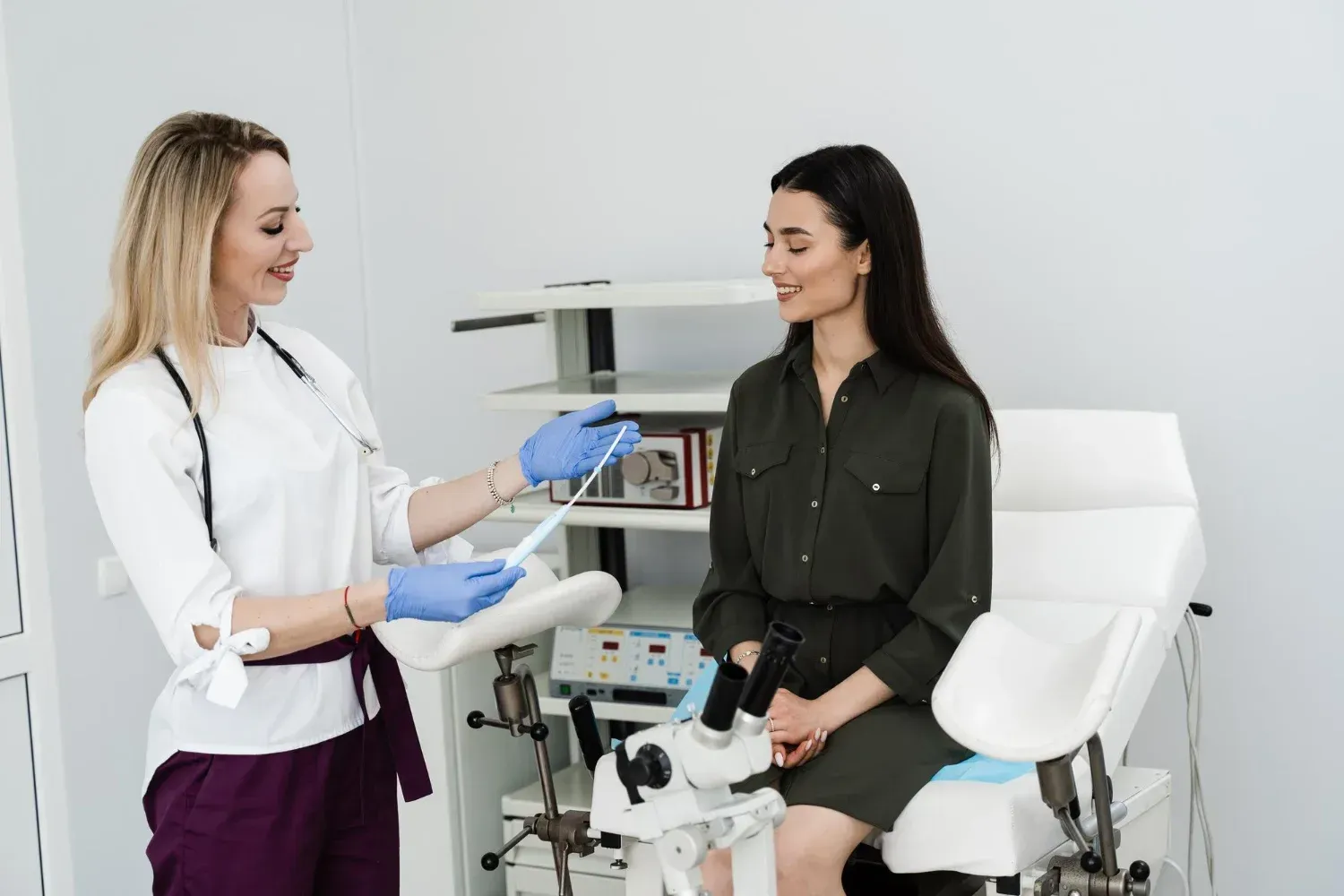
Generally, the first step in the fertility evaluation is a consultation. Your specialist will discuss your fertility goals and will ask you about your previous pregnancies, medical history, surgeries, medications, and how long you've been trying to conceive. This information can assist your doctor in understanding the situation and what could require further evaluation.
2. Recommended Testing
Your doctor might recommend blood tests, imaging, or other tests, depending on your consultation. There is a specific window when fertility blood tests can be done, depending on the tests.
3. Review of Results
After the results, your doctor will discuss them with you and respond to your questions. If there is anything that needs more attention, you may explore the possibility of further evaluation.
4. Discussing Your Options
Your doctor will go over your results with you and discuss your fertility objectives with you so that you are better prepared to make a next-step decision. This can involve further attempts at conception, medication, IUI, or assisted reproduction treatments like IVF.
Talk to a Fertility Specialist
If you have questions about your fertility or are unsure whether testing may be right for you, Dr. Sushila Arya at Precision IVF can help you understand your options. Schedule a consultation at our Southlake, Frisco, or El Paso location to discuss your concerns and get personalized guidance on the next steps.
Frequently Asked Questions
1. Where do women go to get tested for fertility?
Women can get fertility testing through a fertility specialist or reproductive endocrinologist. Testing may be performed at a fertility clinic and can include blood work, ultrasound, and other diagnostic evaluations.
2.How much does fertility testing cost for women?
The cost of fertility testing varies depending on the tests performed, insurance coverage, and the clinic. A consultation can help determine which tests are needed and the expected costs.
3. Is fertility testing painful?
Most fertility tests involve little to no discomfort. Some procedures, such as an HSG, may cause temporary cramping, but your doctor will explain what to expect before testing.
4. Can I get fertility testing if I am not trying to conceive yet?
Yes. Some women choose fertility testing before trying to conceive to learn more about their reproductive health, fertility potential, and future family-building options.
5. Should my partner also be tested?
Yes. Fertility challenges can involve male, female, or combined factors. Evaluating both partners can provide a more complete understanding of what may be affecting conception.
6. What should I do before a fertility evaluation?
Before your appointment, gather information about your menstrual cycles, medications, medical history, previous pregnancies, and any prior fertility testing or treatment you have received.