


Is IVF Painful? Insights into Every Step of the Journey

One of the most common and prevalent fertility treatments in the modern day is In Vitro Fertilization (IVF). It brings hope to many people and couples, whose months or years of trying to conceive have failed. But one of the most popular questions that a person has prior to the treatment is a very legitimate one: The question is whether IVF is painful. "The answer is NO".
The fact is that IVF may also cause certain discomfort at various stages, but the process is manageable; it is much less painful than one may have guessed. Modern needles, the use of gentle stimulation regimes, medical advances and the use of better anesthesia options have made the process much more comfortable than it used to be.
In this guide we will take you through the step by step of IVF process, including all the procedures from the first injections until the egg retrieval and egg transfer procedure, and tell you what to expect and how you can make it less uncomfortable.
Towards the end, you will have a clear picture of what to expect and will be more ready both emotionally and physically.
Understanding IVF and Why Pain Is a Concern
The IVF process consists of several steps: ovarian stimulation, monitoring, egg retrieval, fertilization, and finally, embryo transfer.
Each steps has a different effect on your body, and some of them include minor operations that might be unpleasant to experience.
Many people worry because:
- They are phobic to injections.
- They have been told of swelling or cramping.
- They are afraid of surgery.
- They do not know how their body is going to react with the medications.
But, the fear, as most patients express it, was much more dreadful than the action. Pain is patient specific, and some people react to pain in various ways, but IVF clinics are very keen on alleviating pain.
Let’s break down each stage.
1. Ovarian Stimulation:
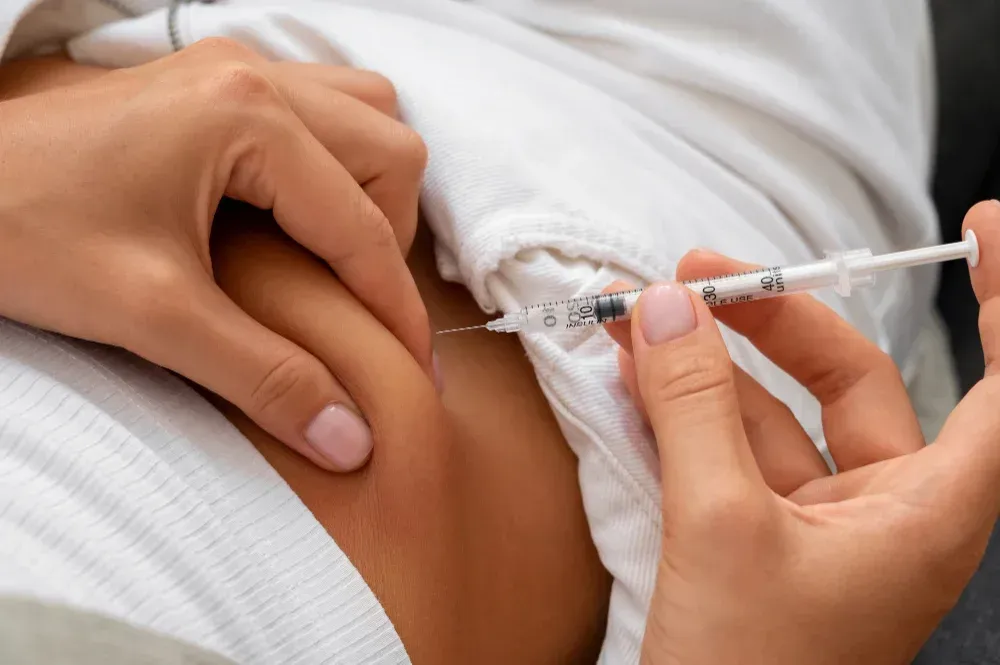
This stage of IVF cycle usually takes between 8-14 days. You will be injected with hormones to make your ovaries to generate several mature eggs.
What the injections feel like
Many IVF injections involve insulin-like very thin and short subcutaneous needles. The feeling is usually described by patients as:
- A quick pinch
- Mild stinging
- A small pain beneath the skin.
Certain injections might hurt more than others depending on the drug- particularly where oils are involved. However, the suffering is not too severe.
Common side effects
Injections are not very painful; however, the hormonal consequences may include:
- Bloating
- Breast tenderness
- Mood swings
- Mild abdominal discomfort
This is similar to PMS or ovulation discomfort but may be more severe depending on the reaction of your body.
How to reduce injection discomfort
- Apply an ice pack to the injection area then inject.
- Allow the drug to heat briefly to room temperature.
- Apply numbing creams when suggested.
- Rotate injection sites
- Slow injections are used on painful drugs.
The injections get easier once you have practiced and towards the end of the cycle, most people can administer them with certainty.
2. Monitoring Appointments: Is the Frequent Testing Uncomfortable?
The number of clinic visits during stimulation will be 4-6:
- Bloodwork
- Transvaginal ultrasounds
Blood draws:
- Routine and quick. If you have sensitive veins, you might feel soreness, but it’s generally not painful.
- Routine and quick. Sensitive veins can cause pain, especially in this case, though not necessarily.
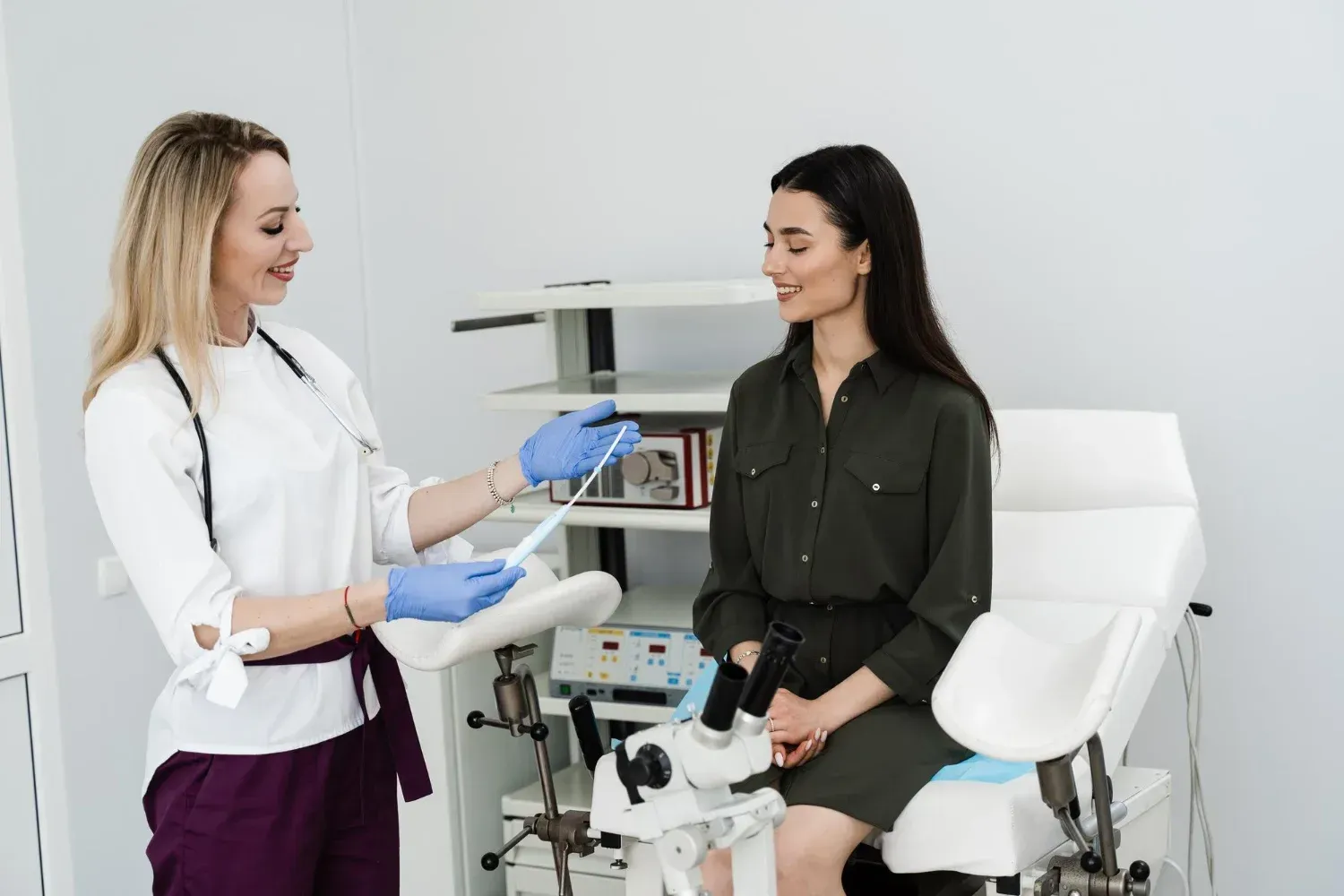
Transvaginal ultrasounds:
These involve inserting a narrow ultrasound probe into the vagina. Most people describe this as:
- Slightly uncomfortable
- Pressure rather than pain
- Easier if the bladder is empty, and you relax your muscles
This is a key step that helps your medical team track follicle growth and adjust medications appropriately.
3. The Trigger Shot: Is It Painful?
The “trigger shot” helps your eggs mature before retrieval. Depending on your clinic, this might be:
- HCG (Human Chorionic Gonadotropin): Works like the natural hormone that signals the body to mature and release an egg.
- Lupron (leuprolide acetate): Used especially when there’s a risk of OHSS (ovarian hyperstimulation syndrome).
- A combination medication: Gives the benefits of both and can be gentler in some cases.
Some trigger shots go into the muscle (intramuscular), which may cause more soreness compared to subcutaneous injections.
What to expect
- A deeper pinch
- Temporary muscle soreness
- Mild bruising at the injection site
Most patients say the injection feels like a flu shot and is manageable.
4. Egg Retrieval Procedure Painful?
Egg retrieval is one of the steps people worry about most. The good news is: The procedure isn’t painful because it’s done under anesthesia.
Most clinics use:
- IV sedation (twilight anesthesia) you sleep lightly and feel nothing
- General anesthesia rarely used but offered in some clinics
During the procedure, a thin needle is guided through the vaginal wall into each follicle to retrieve eggs. You won’t be awake to feel it.
5. Fertilization and Embryo Development: A Pain-Free Stage
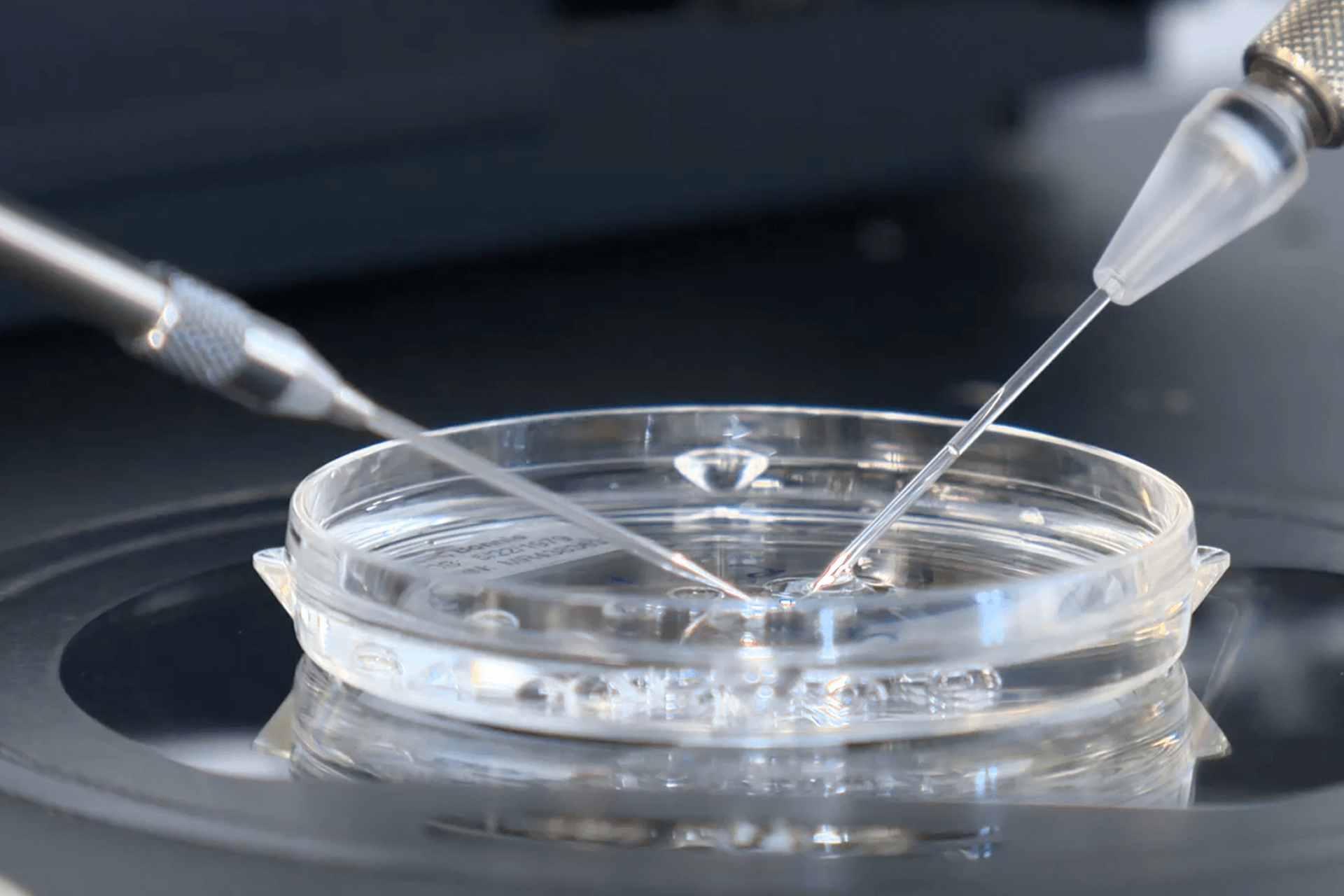
This step happens entirely in the lab. There is no physical discomfort for the patient.
Embryologists fertilize the retrieved eggs and monitor them for 3–6 days. During this phase, you’re physically resting and allowing your ovaries to return to normal.
6. Embryo Transfer: Is It Painful?
Embryo transfer is very gentle and typically painless. Many patients compare it to:
- A routine pap smear
- A slight pressure sensation
The doctor uses a thin catheter to place the embryo into the uterus using ultrasound guidance.
During the procedure, you may feel:
- Minor cramping
- Pressure because your bladder must be full
- Mild discomfort from the speculum
But most patients say it’s completely tolerable and much easier than expected.

So, Is IVF Painful Overall?
IVF may cause discomfort, but most people do not experience significant pain.
Here’s a recap of the discomfort level at each stage:
| IVF Stage | Discomfort Level | Notes |
|---|---|---|
| Hormone Injections | Mild | Quick pinch, occasional stinging |
| Monitoring Ultrasounds | Mild | Pressure but not painful |
| Trigger Shot | Mild–Moderate | Depends on injection type |
| Egg Retrieval | None during procedure | Done under sedation |
| Recovery After Retrieval | Mild–Moderate | Cramping for 1–2 days |
| Embryo Transfer | Minimal | Similar to pap smear |
| Two-Week Wait | Emotional discomfort | Physical symptoms vary |
It’s completely normal to feel anxious, but fertility clinics are committed to managing discomfort and guiding you through every step.
Tips to Make IVF Less Painful and More Comfortable
1. Communicate openly with your medical team
Tell them if you are sensitive to pain, anxious about needles, or worried about procedures.
2. Use heat, ice, or numbing creams
These can make injections and cramping easier to tolerate.
3. Practice self-care throughout the cycle
- Gentle exercise
- Warm baths (before retrieval)
- Proper hydration
- Nutritious meals
4. Seek emotional support
Counselors, support groups, or online communities can help reduce the emotional burden.
5. Ask your partner or nurse to help with injections
This can lessen stress and ensure proper technique.
Final Thoughts: IVF Is a Journey of Strength, Not Suffering
While IVF involves some physical discomfort, it is generally far less painful than many people expect. Most patients describe the experience as manageable, especially with the help of supportive medical teams, modern technology, and personal coping strategies.
The emotional journey can be more challenging than the physical one, but with good support and preparation, the process becomes easier to navigate.
FAQ's on Medical Causes of Infertility
1. Is IVF a painful process overall?
Most people find IVF not painful, but some steps can cause mild discomfort. Injections may sting briefly, egg retrieval can cause cramping afterward, and embryo transfer is usually painless.
2. Where can I find the best IVF treatment in the DFW area?
You can find top-quality IVF care at Precision IVF, led by Dr. Sushila Arya, a highly rated fertility specialist. Dr. Arya is double board-certified in Obstetrics & Gynecology and Reproductive Endocrinology & Infertility, offering advanced, personalized fertility treatment with a compassionate approach.
3. Can IVF medications cause pain or side effects?
Yes, some medications can cause bloating, tenderness, mood swings, or headaches. These side effects vary from person to person, but most are mild.
4. What Not to Do During IVF?
During your IVF cycle, it’s important to avoid certain activities and habits that could affect your treatment or comfort. Here’s what you should NOT do during IVF:
- Avoid intense exercise
- Avoid drinking alcohol
- Do not skip or change your medications
- Don’t take unapproved supplements.
- Don’t use hot tubs or saunas.
- Don’t ignore severe symptoms - call your doctor.