
Important Precautions Before and After IVF Treatment

The IVF process is time consuming and requires a great deal of preparation, energy and concentration. Medical treatments are key but taking care of your body before and after IVF can have a significant impact on its response and recovery from the treatment.
Here's how to handle each step to help you stay safe and to help your cycle work best. This guide helps you understand practical precautions for IVF treatments, clear dos and don'ts for IVF, and precautions after the IVF transfer so that you know what not to do during the entire process and what precautions to take.
Precautions Before Starting IVF (Preparation Phase)
Preparing your body before beginning treatments for fertility can create a solid base to begin your process. Keeping simple lifestyle changes before the IVF cycle helps to support egg quality and health.
Eating Healthy Every Day
- Choose balanced meals: A diet rich in nutrient-dense foods such as leafy greens and lean protein and healthy fats. Maintaining a steady blood sugar will help maintain your body's equilibrium during treatment.
- Start prenatal vitamins: If your doctor recommends, begin a good quality prenatal vitamin that contains folic acid and Vitamin D.
- Eliminate alcohol and smoking: Drinking and smoking severely reduce egg quality and increase problems with the embryo implanting.
- Monitor caffeine intake: There is no reason to eliminate all coffee, but limit caffeine to 200 mg per day (one or two cups).
- Review any medications you are using: Avoid any over-the-counter pain medication or herbal remedies before consulting your physician; some may counteract your treatment.
Reduce Chemical Exposures
Try to avoid exposure to products containing BPA, harsh chemical cleaners, and heavily fragranced products, as these can disrupt the normal balance of hormones, where possible
During Ovarian Stimulation & Prior to Egg Retrieval
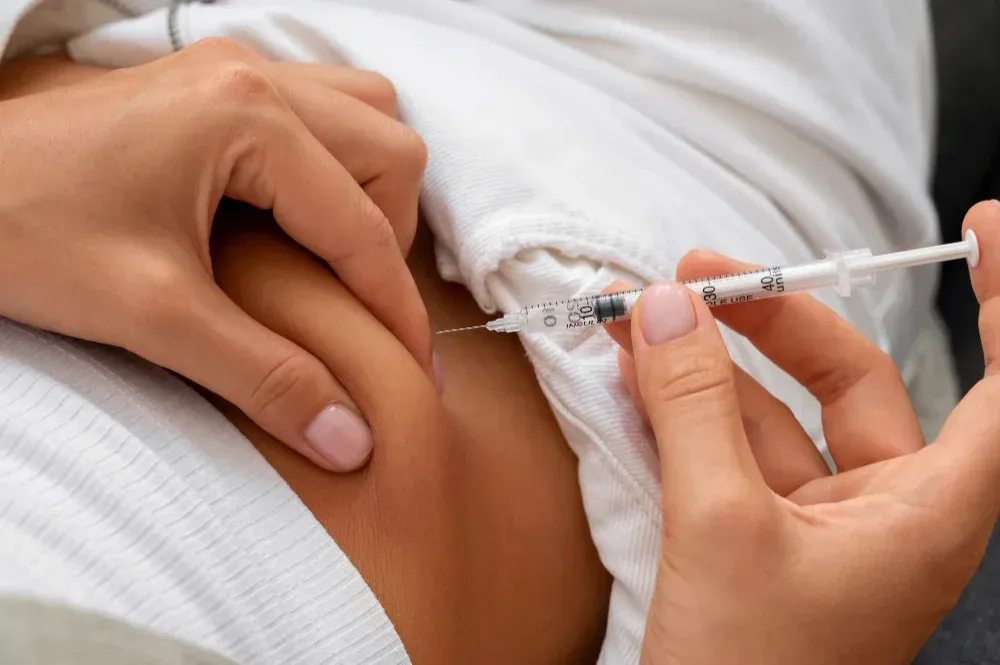
Once you begin hormone injections to stimulate the development of several growing follicles, your ovaries will enlarge briefly. Taking special precautions before egg retrieval helps to maintain your comfort and safety due to these changes in your body.
Exercising during IVF stimulation and preventing ovarian torsion
- Rest intense exercise sessions: Take a break from fast-paced activities, such as running, heavy lifting, and high-intensity cardio.
- Avoid core twists in Yoga or Pilates – deep twists in the core.
This is important because the weight of the ovary increases as a result of the formation of follicles within its structure. A medical emergency known as ovarian torsion, which involves the ovary twisting, may happen with high-impact or twisting movements. Walking is the safest exercise to do during this stage.
Prevention of OHSS: Prevention of dehydration is just as important as avoiding OHSS
An increase in these hormones can lead to water retention and an increased risk of OHSS.
- Increase fluid & electrolyte intake to help regulate fluid shifts.
- Follow the instructions on taking your hormone injections at the exact time every day that your clinic has prescribed.
- Make sure that you take every precaution with the exact timing instructions for your "trigger shot" immediately before you approach the shot for retrieval.
Post-egg retrieval precautions (recovery guidelines)
Egg retrieval is performed under light sedation and is a relatively brief procedure. In order to have a good recovery time after egg retrieval, it is important to give your body a couple of days to recover.
What to Do Right After Retrieval
- Use the rest of the day to rest: Take your time at home the rest of the day after your procedure. Do not do any work or heavy lifting.
- Avoid constipation: Medications such as anesthesia and progesterone may make it more difficult to move your bowels. Get plenty of water in and high fibre foods to avoid straining.
Is it safe to take a bath after the removal of the eggs?
No. Do not take hot baths, swim in pools, hot tubs or natural water for at least 1 week or until you are told it is safe by your clinic. You're at more risk for infection if you soak in water or use tampons as you're healing from your surgery, when your ovary and vagina are vulnerable.
Essential Precautions After IVF Transfer (The Two-Week Wait)
There's a lot of anticipation when it comes to the two weeks following your embryo transfer. Here are some tips on what to do and what not to do during this waiting period after embryo transfer.
Important Things To Do After Embryo Transfer
- Rest gently: After the first 24 hours, resume light activities of daily living. Brisk short walking helps are keeping circulation in the pelvic region and removes stress from the body.
- Keep up with your medication: Take your progesterone and estrogen as directed. Do not miss or skip doses unless directed by the doctor.
- Manage stress: Engage in calming activities to pass the time and stay busy during the hours of awaiting the blood test.
What to Avoid During the IVF Process After Transfer
- Avoid exposure to high temperatures: Don't use hot tubs, saunas, hot yoga, and heating pads on your tummy. Contrary to popular belief, there is a limit to how high a body temperature can be during embryo implantation, as rising core body temperature may disrupt early development.
- Stop intense activity: Heavy lifting, running, or difficult core workouts shouldn't be done until after a pregnancy test.
- Avoid intercourse or pelvic activity: Most clinics suggest not having sexual relations or doing any pelvic movements for one to two weeks post transfer to prevent uterine contractions.
Note about bed rest after transfer:
There is no need for low-activity bed rest after a transfer. Research indicates that normal, light movement will maintain better blood circulation than doing nothing at all.
Warning Signs After Egg Retrieval and Transfer
Knowing what physical changes to look forward to can make it easy to identify whether it is a normal side effect or one that requires a call to your clinic.
Common and expected symptoms
- Mild cramping or pelvic pressure
- Light spotting
- Moderate bloating or fullness
- Mild breast tenderness or fatigue
Warning signs that require a call to your doctor
- Heavy bleeding (soaking through a pad in 1 hour)
- Severe or sharp pain, which is not alleviated by basic rest or approved pain relievers
- Sudden weight gain of more than 2 or 3 pounds in 24 hours
- High fever, persistent throwing up, or trouble breathing
Ready to Talk About Your Options?
If you have questions about your IVF timeline or want to learn more about patient guidelines at Precision IVF, our care teams in Frisco, Southlake, and El Paso are here for you. Reach out to our office to schedule a consultation.
Frequently Asked Questions
1. Can I drive myself home after my egg retrieval or embryo transfer?
You cannot drive yourself home after an egg retrieval because you receive light anesthesia or sedation, so you will need a designated driver. For an embryo transfer, sedation is rarely used, but many patients still prefer having someone else drive so they can remain fully relaxed.
2. Can I travel or fly after an embryo transfer?
Most fertility specialists advise waiting until your blood pregnancy test confirms a positive result before taking long flights or traveling far from your clinic. If you do need to travel locally, short car rides are generally fine, but always check with your care team first.
3. When can I take a home pregnancy test?
It is best to wait for the official blood test scheduled by your clinic, usually 10 to 14 days after your transfer. Home pregnancy tests can sometimes give false results because of leftover trigger shot hormones, which can cause unnecessary stress during the wait.
4. Can I dye my hair or get my nails done during the IVF process?
Most doctors agree that getting your hair dyed, nails done, or receiving massages is safe during IVF. However, try to choose well-ventilated salons and look for non-toxic or low-fume products to minimize chemical exposure.
5. Is it normal to have mood swings while taking IVF medications?
Yes. The hormone medications used during ovarian stimulation and the two-week wait cause significant shifts in your estrogen and progesterone levels, which frequently lead to mood swings, irritability, or emotional fatigue.
6. What kind of pain relief is safe to take after egg retrieval?
You should only take pain medications approved or prescribed by your fertility clinic. Typically, mild over-the-counter options like Tylenol are permitted, but you should avoid anti-inflammatory drugs like ibuprofen unless your doctor specifically clears them.