


Freeze Eggs Fertility Guide: Procedure, Benefits and Risks

The advancements in the field of reproductive medicine have provided women with more options regarding their future. Freeze eggs for fertility is one of the most empowering alternatives available today. With the state-of-the-art
egg preservation
technology, women are capable of storing their eggs at an earlier, healthier age and can use them at the appropriate time when the right moment occurs.
Why Do Women Choose Egg Preservation?
Women are born with a specific number of eggs. During fetal development, a baby girl has around 6–7 million eggs in her ovaries. By birth, this number naturally declines to about 2–3 million, and by puberty, only around 200,000–300,000 eggs remain. The quality and quantity of eggs decrease over time, particularly after the mid 30s. This natural variation may complicate the conception process and it increases chances of miscarriage and genetic abnormalities, with the option of freezing egg for fertility, women will be in a position to store healthier eggs today and minimize fertility problems in old age.
Women usually contemplate the freezing of fertility eggs in case they:
- Prefer to postpone childbirth due to career, education or personal reasons.
- Not married but want the option of having a child later.
- Suffers from medical disorders such as endometriosis or ovarian cysts.
- Are at risk of premature ovarian failure or early menopause.
- Require cancer care like chemotherapy or radiation that can affect fertility.
Egg freezing provides emotional calm and reassurance to several women.
The Success Rates of Freezing Egg for Fertility.
The egg freezing success rates are very high in modern times compared to those of many years ago. With the help of the rapid-freezing procedure like vitrification, frozen eggs fertility is high, and survival rates are high.
Another question asked by many women is, Does IVF freeze embryos or eggs? The answer is that both options are available. Demanding the facts about the situation of the individual, IVF permits freezing both unfertilized eggs and fertilized eggs (embryos).
The typical clinical observations are:
- Women below the age of 38 freezing 15-20 IVF eggs can get up to a 70-80 percent chance of having a child in the future.
- Women between the age of 38-40 normally have a benefit of freezing 25-30 eggs with a probability of live birth at 65-75% success rate.
- The age at freezing, egg quality, uterine health, and overall medical condition are also considered as factors of success.
If someone is looking for the answer for the question of how to freeze your eggs or how to preserve fertility, then freeze egg
fertility is one of the most reliable and efficient scientific options in the contemporary world.
What Is the Process of Egg Freezing?
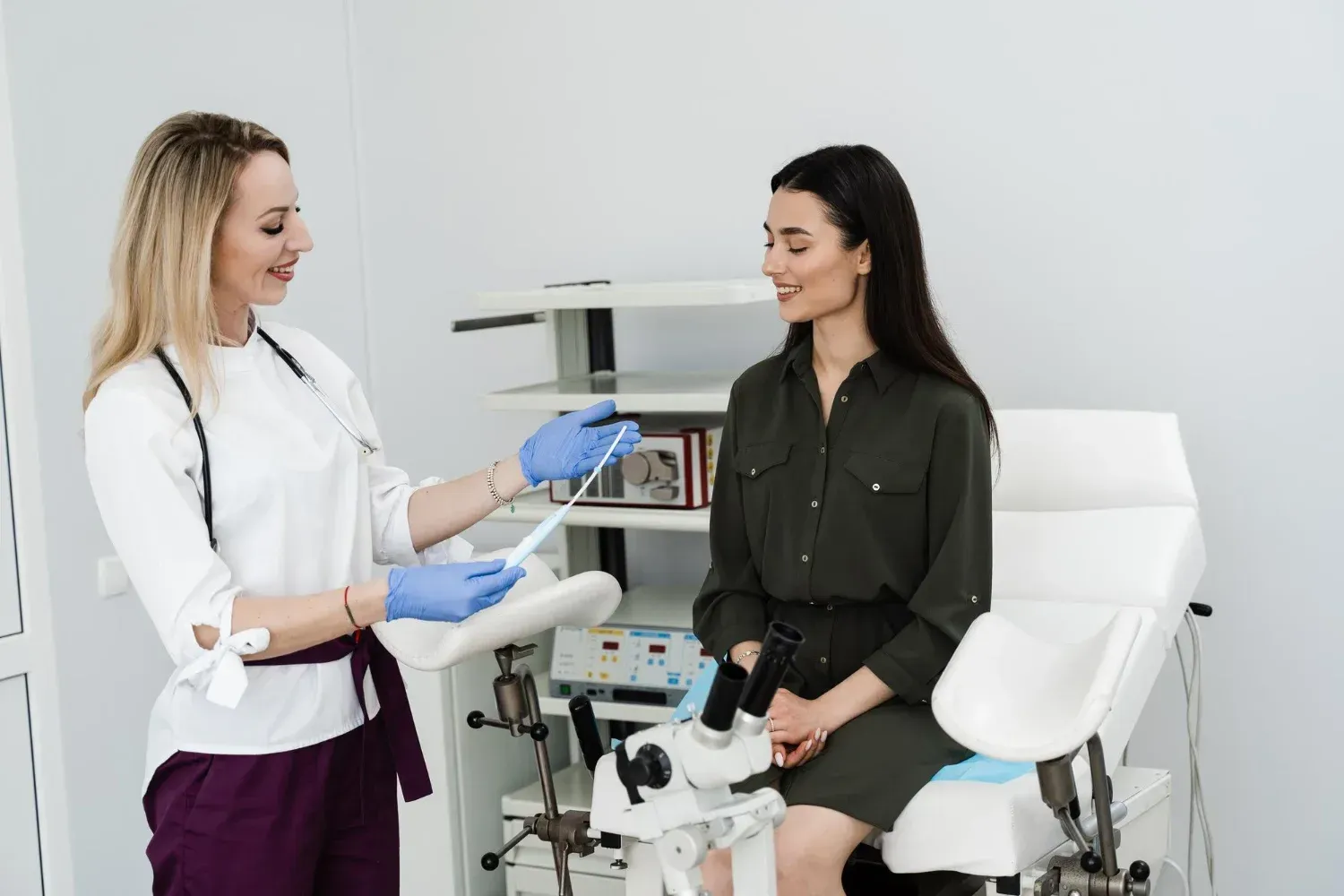
- Initial Consultation and Fertility Assessment: Most women are seeking ways on how to freeze eggs for fertility since they would like to know every step to take before they begin doing so. Egg freezing is a medically controlled procedure, which has a laid down and well monitored procedure. It starts with a consultation, during which a fertility specialist examines your medical history, your reproductive goals, and overall expectations in order to assess the fact that egg freezing is a viable option.
- Comprehensive Fertility Testing and Ovarian Reserve Evaluation: This is followed by fertility testing. This typically involves blood tests to check the level of hormones and an ultrasound to determine ovarian reserve which helps the doctor to know how to expect your body to respond to treatment.
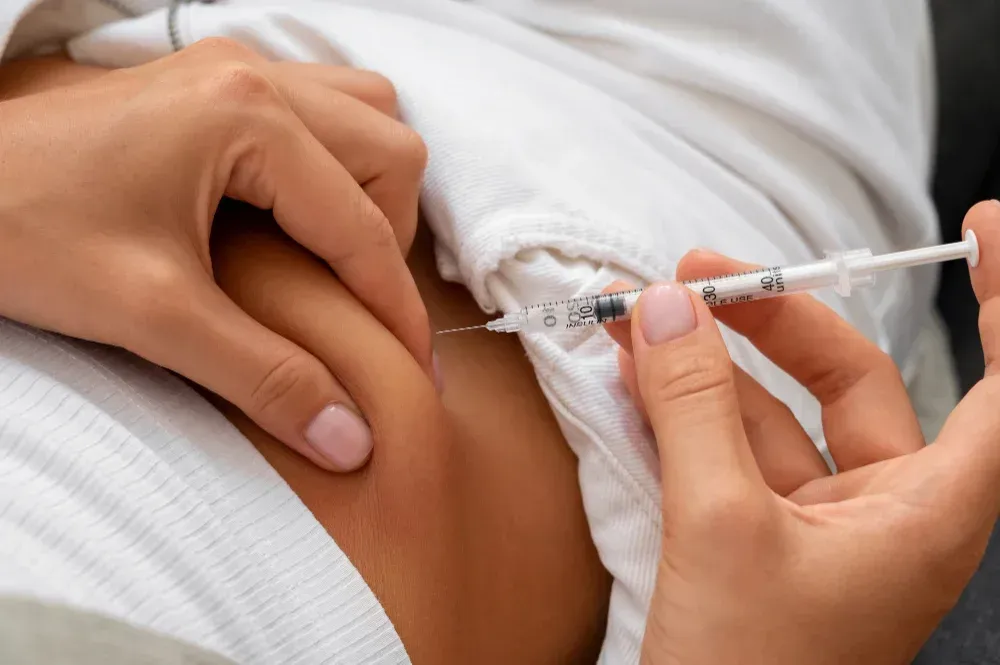
- Controlled Ovarian Stimulation and Monitoring: Once evaluation is completed, Ovarian stimulation process begins. In this stage, fertility drugs are used for several days in order to make the multiple eggs grow simultaneously rather than one egg released every month. During the process of stimulation, physicians pay close attention to the progress to guarantee safety and efficacy.
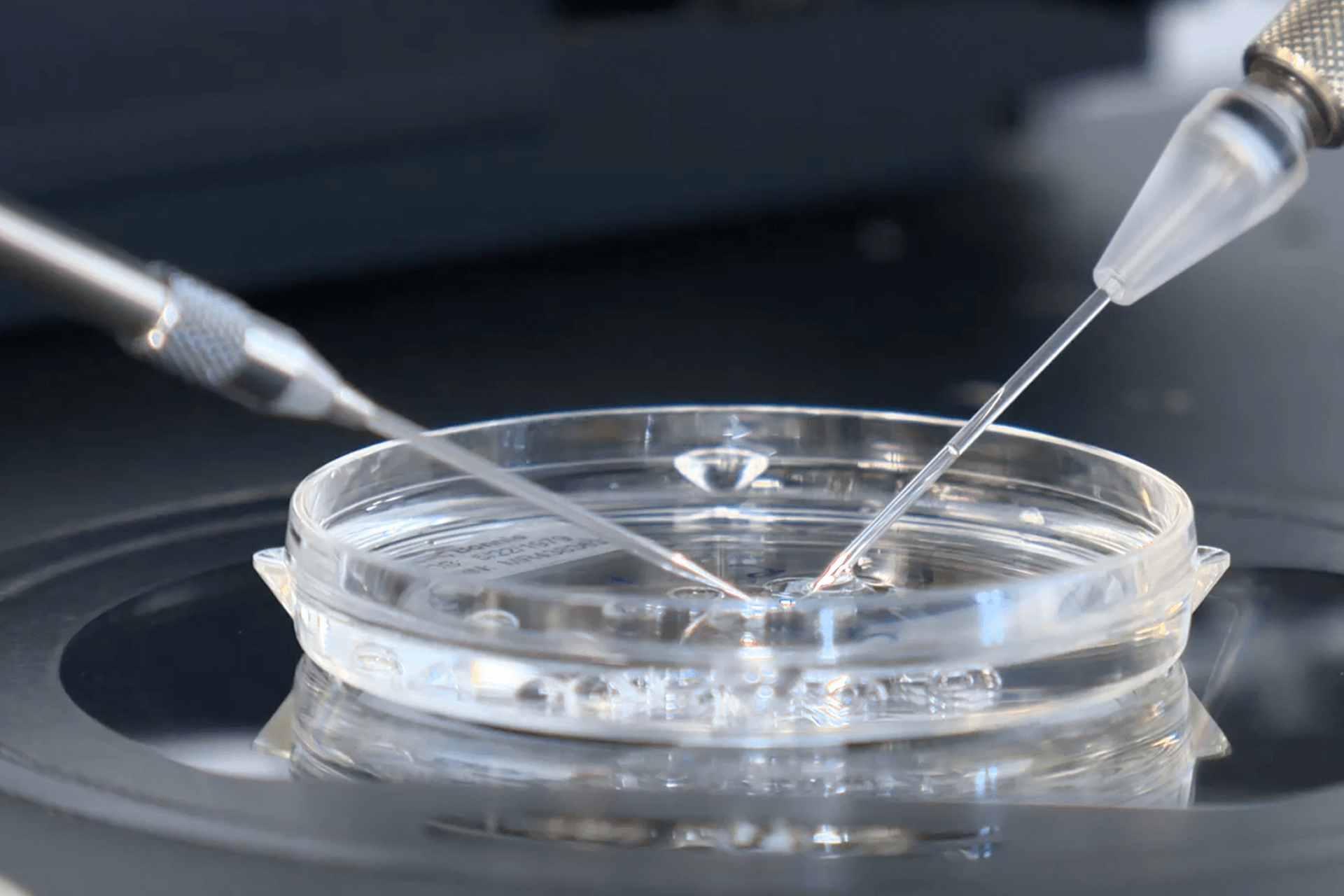
- Egg Retrieval and Advanced Vitrification Freezing: After the retrieval, mature eggs are then quickly frozen by a highly developed technique known as vitrification which assists in preserving the quality of eggs as they are kept in a controlled laboratory environment. It is possible to preserve the eggs safely over a period of years.
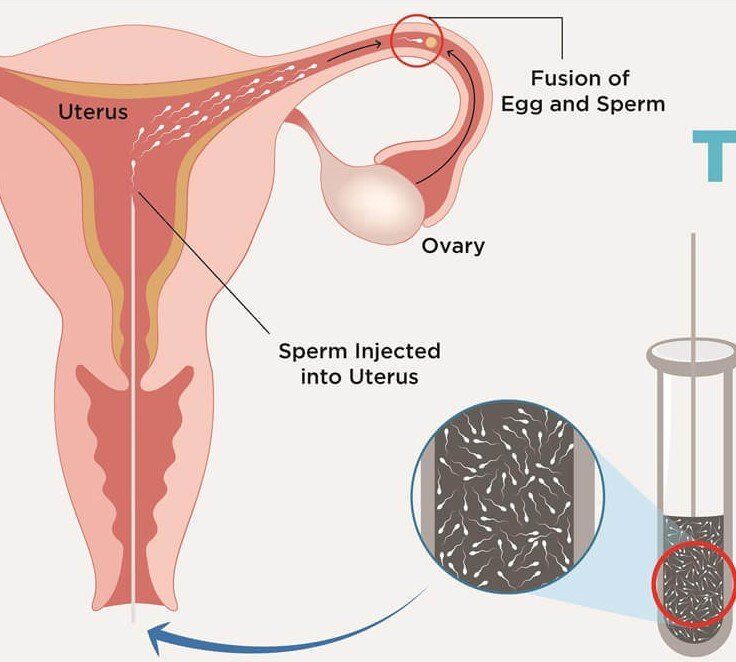
- Thawing, Fertilization, and Embryo Transfer in the Future: Upon deciding to be pregnant later on, the frozen IVF eggs are thawed, fertilized in the IVF lab and the embryo inserted into the uterus as part of a frozen eggs IVF treatment cycle. Through this process, women can save their reproductive potential and use their eggs when the time is appropriate.
How Many Eggs Should You Freeze for IVF?
One of the widely popular questions is how many eggs you should freeze for IVF in order to succeed in IVF. General guidance suggests:
- Under 35 - freeze about 15-20 eggs.
- 35-40 years - freeze about 20-30 eggs.
Depending on the levels of your hormones, ovarian reserve and reproductive goals, your doctor will tailor the recommendations.
The reason these age guidelines exist is due to female fertility’s age-based decline. In your early 20s, fertility begins to decline, but conception rates remain high into the 30s. By your mid-30s, this decline accelerates to reach minimal pregnancy potential.
How Much Does It Cost to Freeze Eggs?
The other major question most of the women will ask is freeze eggs fertility cost. The cost is determined based on the specific medical plans, dosage on medication, the number of cycles required, and long-term storage period.
Costs generally include:
- Consultation and diagnostic tests.
- Ovarian stimulation drugs.
- Egg retrieval procedure.
- Freezing and storage.
Numerous fertility clinics offer financial counselling, treatment plans and other options.
Advantages of Egg Freezing
The reasons why it is a good idea to choose freeze egg fertility include:
- Freezing eggs improves your chances of getting pregnant at a later stage of your life. It also negates the genetic anomalies linked with older eggs.
- Helps defend against age related decline against infertility.
- Allows freedom to make personal and professional choices.
- Lessens the stress to conceive within a particular age group among women.
- Future family planning is better after the treatment.
- Provides emotional comfort and reproductive health control.
- Fertility specialists have observed that women who freeze their eggs at a young age have higher success rates when using them in future IVF treatments.
Most of the women who opt to use frozen eggs for fertility are usually empowered that they are taking a positive step to ensure that their fertility is safeguarded.
Risks for IVF Egg Freezing
- Mood swings: Mood swings can also be experienced by some women since the hormones are temporary.
- Headaches: During the fertility for egg freezing treatment the women may experience headaches as their hormones levels vary.
- Nausea: Some of the women complain of mild nausea, which gets lower after the drugs are administered.
- Egg survival chances are questionable: Though egg freezing technique is handled by professionals, one cannot be certain that the frozen eggs will be suitable for embryo development after thawing.
After Egg retrieval:
- Bloating: The abdomen is temporarily a bit swollen or heavy post-procedure.
- Cramping: Light cramping is usual and can be expected to improve in a day or two.
- Mild pain: Other women can experience mild pain but it lasts rather briefly and is manageable.
Is IVF Eggs Freezing Safe?
Yes. Egg Freezing is medically approved, safe, and widely practiced across the world. The Procedure is very safe with the help of experienced fertility experts, state-of-the-art laboratory and through cautious medical supervision.
Final Thoughts
Choosing to freeze IVF eggs is a deeply personal and empowering choice. It takes scientifically advanced egg preservation, caring counselling and professional fertility services, and women can be assured that they can defend their right to create a family when the right moment comes.
FAQ's
1. Which age is the most appropriate age for egg preservation?
Freezing eggs fertility is most ideal between the late 20s and early 30s but most women will still benefit from freezing egg fertility till the age of 40.
2. What is the maximum duration eggs can remain frozen?
At present, eggs can be kept frozen over a long period of time (many years) without losing their quality due to the development of an advanced vitrification technology.
3. Will egg freezing be a guarantee of pregnancy?
No fertility treatment guarantees pregnancy but it is the age, quality of egg, as well as personal health that matters.
4. Is egg retrieval painful?
It is a low-invasive procedure that is done on sedation. Majority of the women experience mild discomfort later and heal fast.
5. What will happen when I will be willing to put my eggs into use?
The transfer of your eggs occurs in a frozen eggs IVF cycle by thawing, fertilizing, and transferring your eggs.
6. Does IVF Freeze eggs or embryos?
IVF provides the chance for both options, i.e. freezing eggs or embryos.
7. Is it possible to maintain fertility in cancer patients?
Yes. Egg preservation may be quickened before the treatment can commence.
8. Does the freeze eggs fertility procedure cause pain?
No, it is a hardly invasive procedure and is administered with a sedative, therefore, most of the women feel little or no pain and quick recovery.
9. What is the duration of the freeze eggs fertility process of frozen eggs?
Modern methods of vitrifying eggs allow eggs which are frozen using freeze eggs fertility process to be stored safely over a number of years without quality deterioration.
10. How to freeze eggs fertility and what is its process?
Frozen eggs IVF Process requires consultation, fertility tests, ovarian stimulation using drugs, egg retrieval under sedation and finally freezing the mature eggs by the process of vitrifying them to be used later.
11. What is frozen eggs IVF?
Frozen eggs IVF entails thawing the earlier frozen eggs, fertilizing the eggs in the laboratory using sperm to form embryos and implanting the best embryo into the uterus and attempting to get pregnant.
12. What is the freeze egg fertility cost?
Freeze egg fertility cost includes Consultations, fertility tests, ovarian stimulation medications, egg retrieval procedure, and long-term frozen egg storage.
13. Can you freeze fertilized eggs?
Yes, fertilized eggs can be frozen using advanced vitrification technology and safely stored for future IVF treatment.
14. Is it possible to freeze fertilized eggs?
Absolutely. Embryos are fertilized eggs, which are generally frozen during fertility treatment. Other women select embryos in case they already have a partner or desire to use donor sperms. Other women freeze unfertilized eggs to keep both options open. Both are effective forms of IVF egg freezing.