

Planning IVF? Here’s the Full IVF Treatment Process and Important Precautions
The problem of infertility has been experienced by numerous couples across the world and IVF treatment (In Vitro Fertilization) has developed to be one of the most effective reproductive technologies that help individuals conceive. In case you are considering IVF, it can be helpful to learn about the IVF treatment process, precautions, and recovery timeline and feel more prepared and confident.
This guide will describe the meaning of IVF treatment, how the IVF process works step-by-step, what to expect after embryo transfer, and important precautions to follow. We will also discuss the age limit for IVF, safety concerns, and the average IVF cost so that you can make a wise decision before you begin your fertility quest.
What is IVF Treatment?
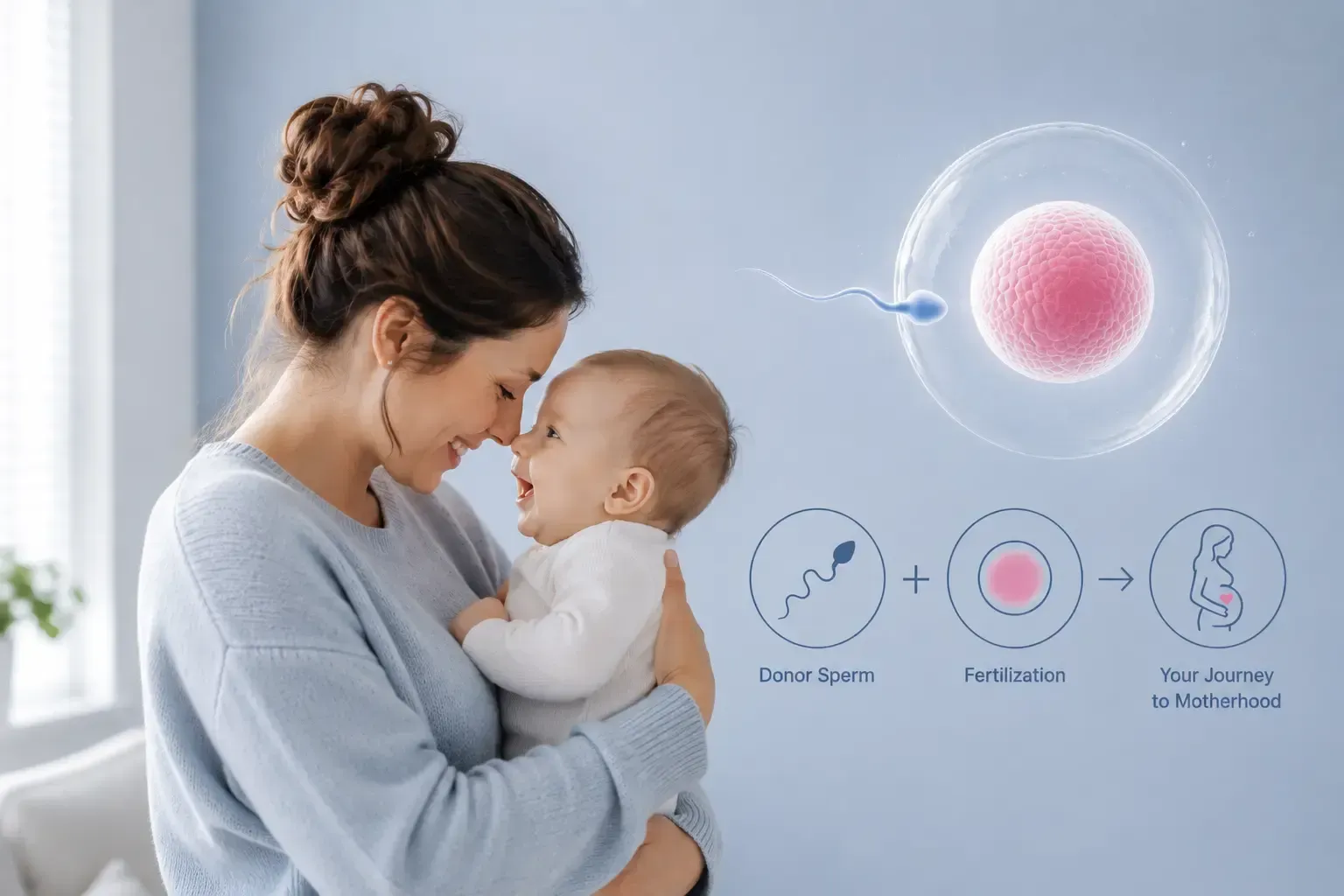
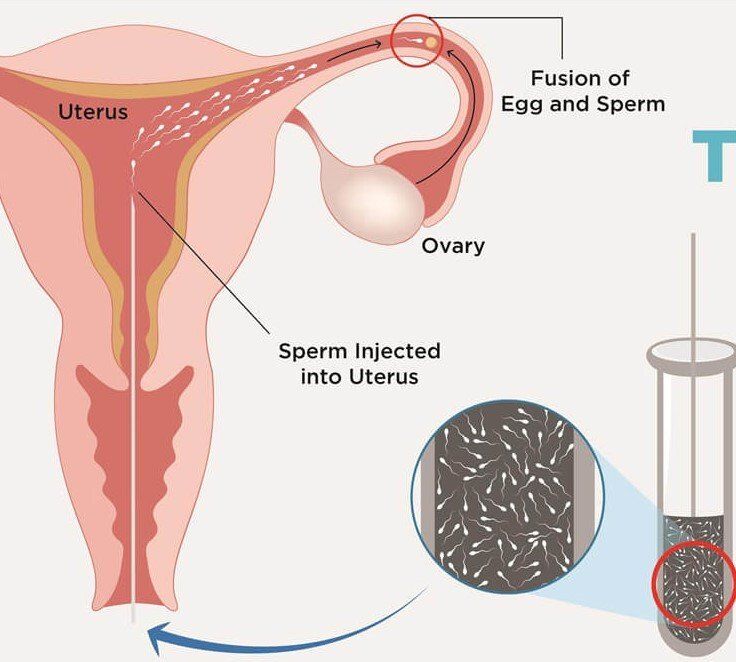
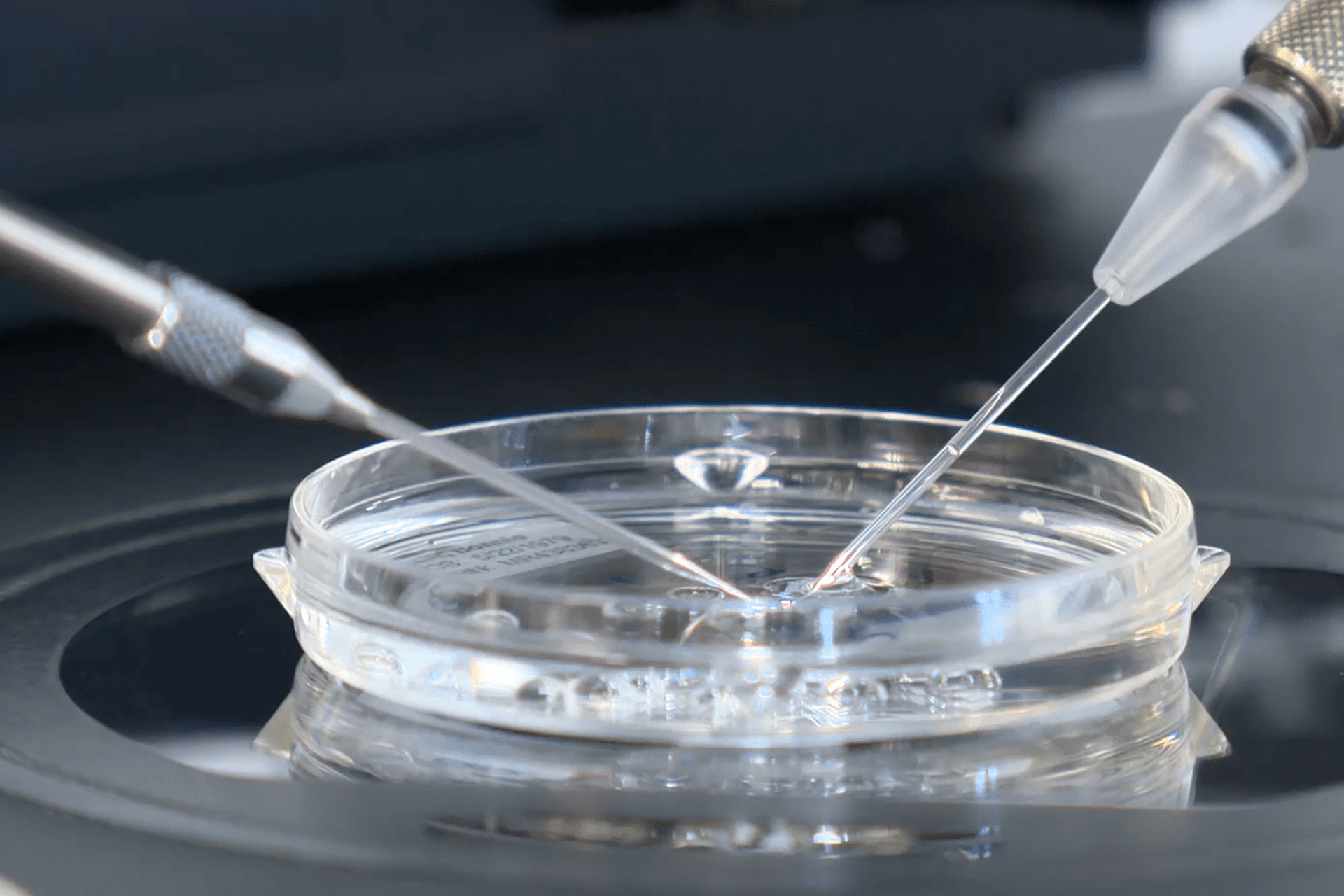
IVF treatment (In Vitro Fertilization) is an infertility procedure in which an egg and sperm are combined in a laboratory environment. After fertilization, the resulting embryo is carefully transferred into the uterus to establish pregnancy.
Assisted reproductive technology (ART) includes the IVF procedure which is usually for couples facing infertility or having problems conceiving.
During IVF treatment:
- The ovaries are stimulated to produce multiple eggs.
- Eggs are retrieved from the ovaries.
- The eggs are fertilized with sperm in a laboratory.
- The healthiest embryo is transferred into the uterus.
IVF has assisted millions of couples across the world to have children and is one of the most sophisticated treatments of fertility that is currently available.
Who Should Consider IVF Treatment?
When other fertility treatment therapies fail or in cases where the medical situation has certain medical conditions that affecting conception, doctors normally suggest IVF treatment.
Common situations where IVF may be recommended include:
Blocked or Damaged Fallopian Tubes
The egg is unable to meet the sperm in the case of a blocked fallopian tube. In IVF, this issue is avoided by fertilizing the egg in the laboratory.
Ovulation Disorders (PCOS)
IVF will be helpful for women with irregular ovulation or women with complications such as PCOS in case the medication fails.
Male Infertility
The sperm count, motility, or sperm shape may be abnormal, and this can decrease the possibility of natural conception.
Unexplained Infertility
In other cases, the fertility test results are normal yet the pregnancy fails to occur. IVF has the potential of enhancing fertilization.
Age-Related Fertility Decline
Women grow old and the quality and quantity of eggs reduces. IVF can be used to enhance pregnancy in such situations.
Step-by-Step IVF Treatment Process
IVF treatment procedure is characterized by a number of well-observed steps that are aimed at enhancing fertilization and pregnancy. Though the treatment plan of every patient can differ, the process of IVF usually has the same steps.
The simplified understanding of how IVF treatment works is shown below.
1. Initial Consultation and Fertility Evaluation
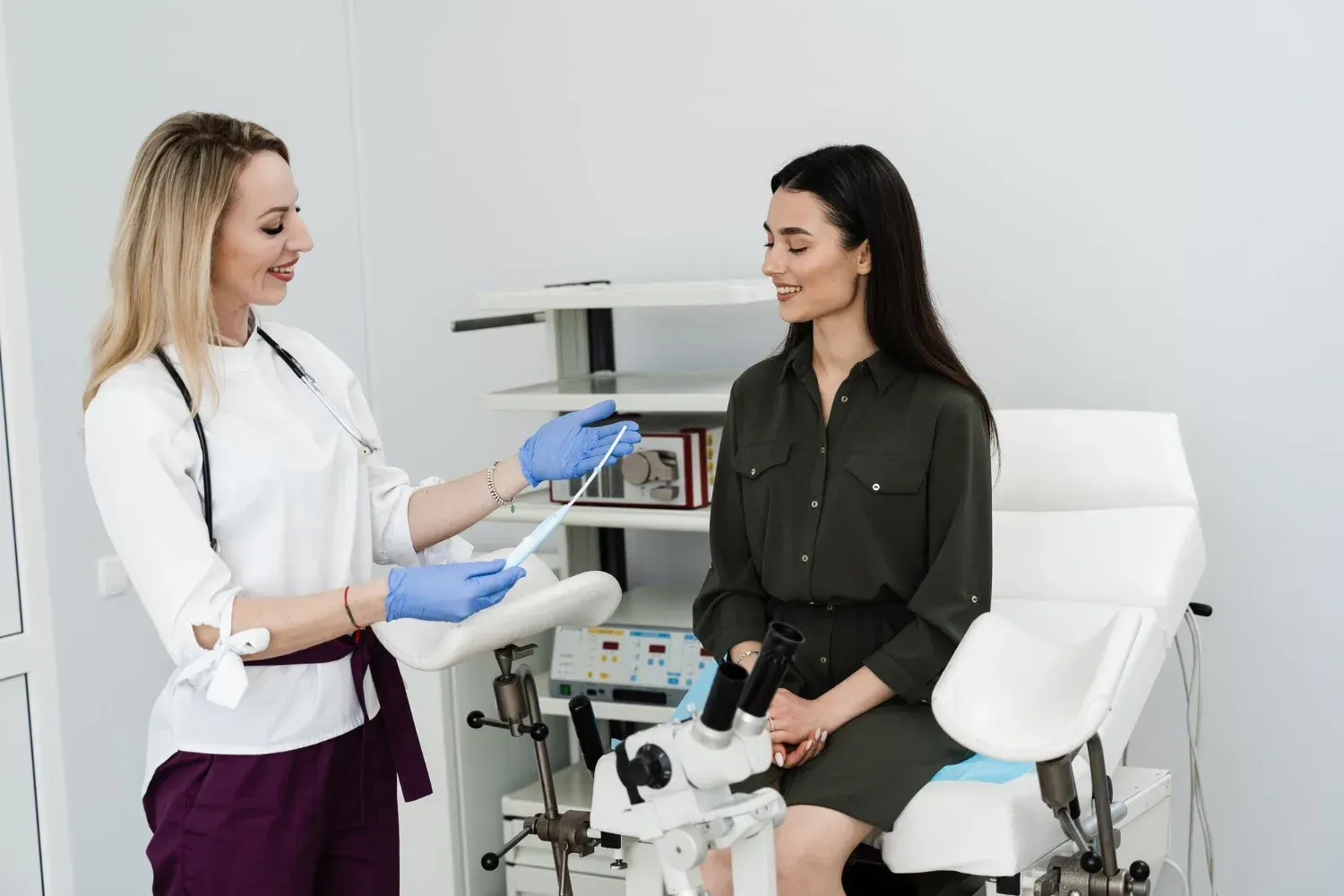
The IVF experience has a standard starting point of a detailed consultation with a fertility expert. At this step, the doctors will examine medical history and will do tests of fertility like blood tests on hormones, ultrasound examination, and semen tests.
These examinations are useful in establishing the actual cause of infertility as well as enabling the physician to develop an individualized IVF therapy program.
2. Ovarian Stimulation
After the treatment plan is done, the prescription of medications is made to induce the ovaries to produce many eggs within one cycle. A woman would normally produce one egg every month, whereas IVF is meant to develop multiple eggs in order to increase the chances of success.
Regular ultrasounds and hormone tests monitor closely the development of follicles by the doctors.
3. Egg Retrieval
At the time of maturity, the eggs are removed very carefully using an ovarian medical procedure known as egg retrieval. This is normally carried out using light sedation, and it only takes a short duration.
The eggs retrieved are then forwarded to the laboratory where fertilization is done.
4. Fertilization and Embryo Development
The eggs are mixed with sperm in the laboratory and fertilization is attained. The fertilized eggs grow into embryos in the following days with carefully controlled conditions.
Embryologists keep track of the development of embryos in order to select the healthiest embryos to be transferred.
5. Embryo Transfer
Embryo transfer is the last procedure of the IVF process. With a simple procedure that does not tend to need anesthesia, a selected embryo is inserted into the uterus with the help of a thin catheter.
Following the transfer of the embryo, the patient is advised to concentrate on certain precautions until the pregnancy test is carried out.
IVF Timeline After Embryo Transfer
Most of the patients worry about what will occur during the days after transfer of the embryo. Below is a typical timeline.
3 Days After IVF Embryo Transfer
At 3 days after IVF embryo transfer, the embryo may still be developing inside the uterus.
Some women may experience:
- Mild cramping
- Fatigue
- No symptoms at all
It is important to remember that symptoms vary for every patient.
5 Days After IVF Transfer
Around 5 days after IVF transfer, implantation may begin as the embryo attaches to the uterine lining.
Possible signs include:
- Light spotting
- Mild pelvic discomfort
- Increased fatigue
However, many women still experience no noticeable symptoms.
8 Days After IVF Transfer
At 8 days after IVF transfer, implantation may already be complete.
Some patients may notice:
- Breast tenderness
- Bloating
- Light spotting (implantation bleeding)
10 Days After IVF Transfer
The pregnancy hormone hcg can start to increase around 10 days following the IVF transfer.
Various physicians normally advise to take a pregnancy-blood test approximately 10-14 days after embryo transfer so as to confirm the outcome.
What Should I Do After IVF Embryo Transfer?
Many couples ask what should I do after IVF embryo transfer to improve success rates.
After IVF transfer, doctors typically recommend:
- Resting for the first 24 hours
- Taking prescribed medications regularly
- Staying hydrated
- Maintaining a healthy diet
- Managing stress levels
Following medical advice carefully can help support implantation and early pregnancy.

Things to Avoid After IVF Embryo Transfer
Knowing the things to avoid after IVF embryo transfer is equally important.
Patients are generally advised to avoid:
Heavy Exercise
Strenuous workouts can place unnecessary stress on the body.
Smoking and Alcohol
These substances can negatively affect implantation and pregnancy outcomes.
Excessive Caffeine
Limit caffeine intake to moderate levels.
Hot Baths and Saunas
High temperatures may affect embryo implantation.
High Stress Levels
Stress management techniques like meditation or light walking may help.
Can You Have Sex During IVF Treatment?
Many couples wonder if they can you have is sex during IVF treatment.
During certain stages of IVF, doctors may recommend avoiding intercourse, especially:
- After egg retrieval
- After embryo transfer
Most fertility specialists advise avoiding sexual activity for one to two weeks after embryo transfer to support implantation.
Common Symptoms After IVF Transfer
After embryo transfer, some symptoms may occur as the body responds to hormonal changes.
After IVF Transfer Bleeding
Light bleeding or spotting may occur due to implantation bleeding when the embryo attaches to the uterus.
Other common symptoms include:
- Mild cramping
- Bloating
- Breast tenderness
- Fatigue
If heavy bleeding or severe pain occurs, patients should contact their doctor immediately.
Does IVF Cause Weight Gain?
This question is frequently raised by many women and it is does IVF cause weight gain?
IVF medications in most instances do not cause permanent weight gain, but temporary bloating or retention of water.
Hormonal injections have the potential to disrupt body fluids, and this can cause patients to feel heavier in the process of administering the treatment. Nevertheless, such alterations tend to correct themselves about the treatment cycle.
These effects may be controlled by eating a healthy diet and performing light exercises.
Age Limit for IVF Treatment
Another common question is the age limit for IVF.
While there is no strict universal age limit, IVF success rates are generally higher for women under 35.
Typical trends include:
- Ages 20–34: highest success rates
- Ages 35–40: moderate success rates
- Over 40: lower success rates
Some women over 40 may consider donor eggs to improve pregnancy chances.
How Many IVF Cycles Before Success?
Many couples ask how many IVF cycles before success.
Success rates depend on factors such as:
- Age
- Egg quality
- Sperm quality
- Underlying fertility issues
On average, some couples achieve pregnancy within one or two IVF cycles, while others may require multiple attempts.
Fertility specialists evaluate each case individually to determine the best treatment plan.
How Much Does IVF Cost?
The IVF cost can vary significantly depending on the clinic, country, and treatment complexity.
The total cost usually includes:
- Fertility consultations
- Hormonal medications
- Egg retrieval procedure
- Laboratory fertilization
- Embryo transfer
Additional procedures such as genetic testing or ICSI may increase the total cost.
Couples should consult a fertility clinic for a personalized estimate based on their treatment plan. At Precision IVF we offer up to 60% low IVF, treatment cost compared to other fertility clinics in DFW.
Preparing for Your IVF Journey
Starting IVF treatment can be both exciting and emotionally challenging. Preparing yourself physically and mentally can make the journey smoother.
Helpful tips include:
- Choose an experienced fertility clinic
- Maintain a healthy lifestyle
- Eat a balanced diet
- Get emotional support from family or counseling
- Follow your doctor’s recommendations carefully
With proper preparation and expert medical guidance, IVF can offer hope to many couples trying to build their family.
FAQs
1. What is IVF treatment and how does it work?
IVF treatment is a fertility procedure where eggs are fertilized with sperm in a laboratory and the resulting embryo is transferred into the uterus to achieve pregnancy.
2. How many injections are needed for IVF treatment?
Most patients receive hormone injections for about 8 to 14 days during ovarian stimulation.
3. What should I do after IVF embryo transfer?
Rest, follow medication instructions, avoid heavy activity, and maintain a healthy lifestyle.
4. Is IVF treatment safe?
Yes, IVF is considered a safe and widely practiced fertility treatment when performed by experienced specialists.