

How Two Women Can Have a Baby Together Using Reciprocal IVF

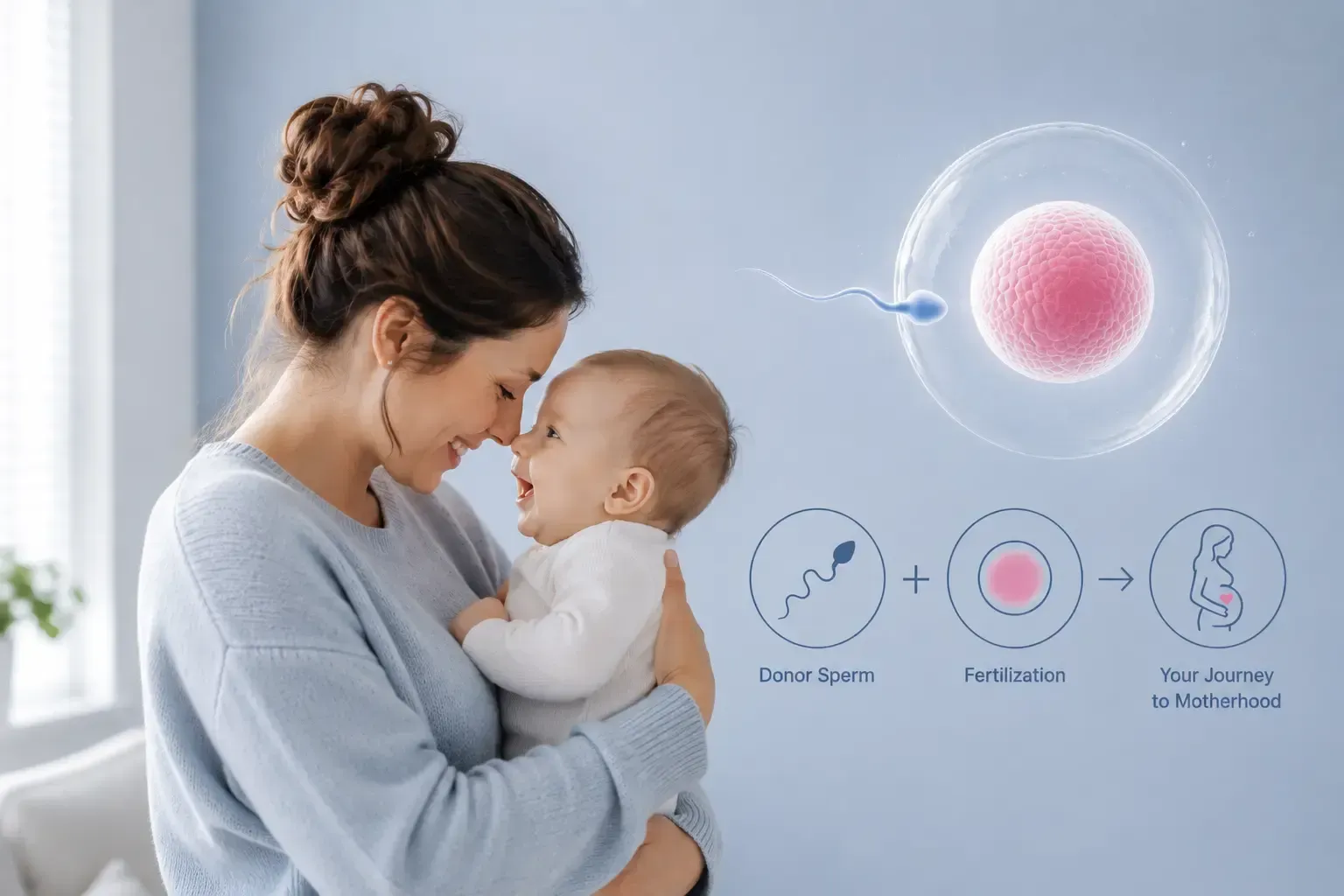
Every couple's experience of starting a family is unique, and fertility treatments are more available than ever before. For those who wonder about how two women can have a baby together, the process of reciprocal IVF is one possibility that lets both women participate in the journey.
Whether you're just beginning to explore your family-building options or researching
IVF as a lesbian couple, understanding how reciprocal IVF works can help you make informed decisions. This guide will cover everything you might want to know about reciprocal IVF, including what it is, how it works, who it's suitable for, and what to look for during the process.
What Is Reciprocal IVF?
Reciprocal IVF is a type of fertility treatment that allows two women to share the journey to parenthood. This is also called shared motherhood and is a popular method of IVF for lesbian couples and other women choosing to become parents together.
In reciprocal IVF, unlike
traditional IVF, both partners can contribute in a different manner, and not necessarily the person who gives the eggs carries the pregnancy. One partner is genetically linked to the child, the other goes through pregnancy and birth.
How Does the Reciprocal IVF Process Work?
The reciprocal IVF process is done on medical principles similar to regular IVF – one partner donates the eggs, and the other serves as the pregnancy carrier. Here's what you can expect during reciprocal IVF treatment.
Step 1: Fertility Evaluation
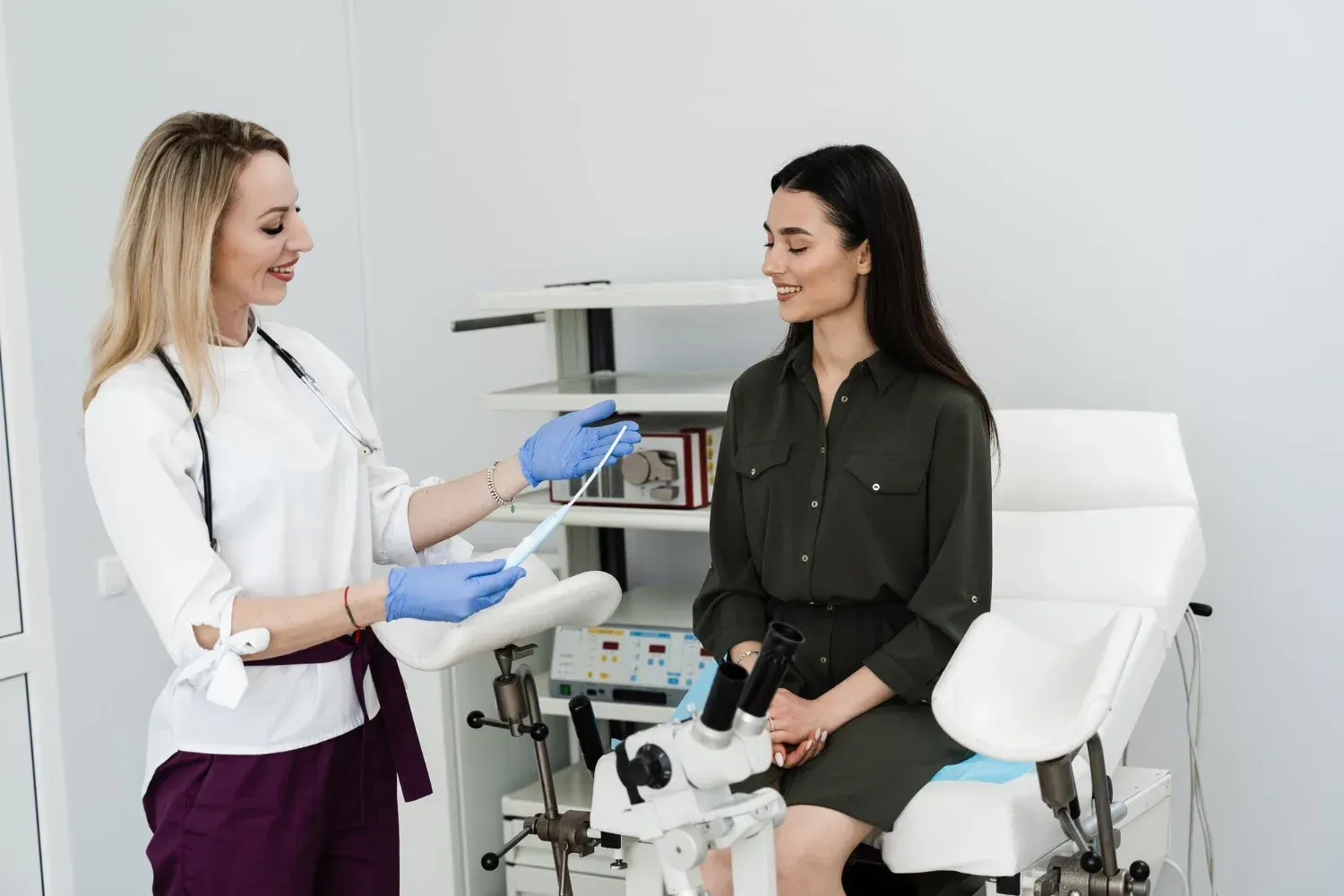
Reciprocal IVF starts with a
detailed fertility assessment of the partners. Your fertility specialist uses blood tests, ultrasounds, and medical history to develop an individualized treatment strategy
Step 2: Selecting Each Partner's Role
In reciprocal IVF, the fertility specialist assists in selecting which partner is to contribute to the egg and which partner will be the carrier depending on the fertility level of both of them, their health, and their choice.
Step 3: Ovarian Stimulation and Egg Retrieval
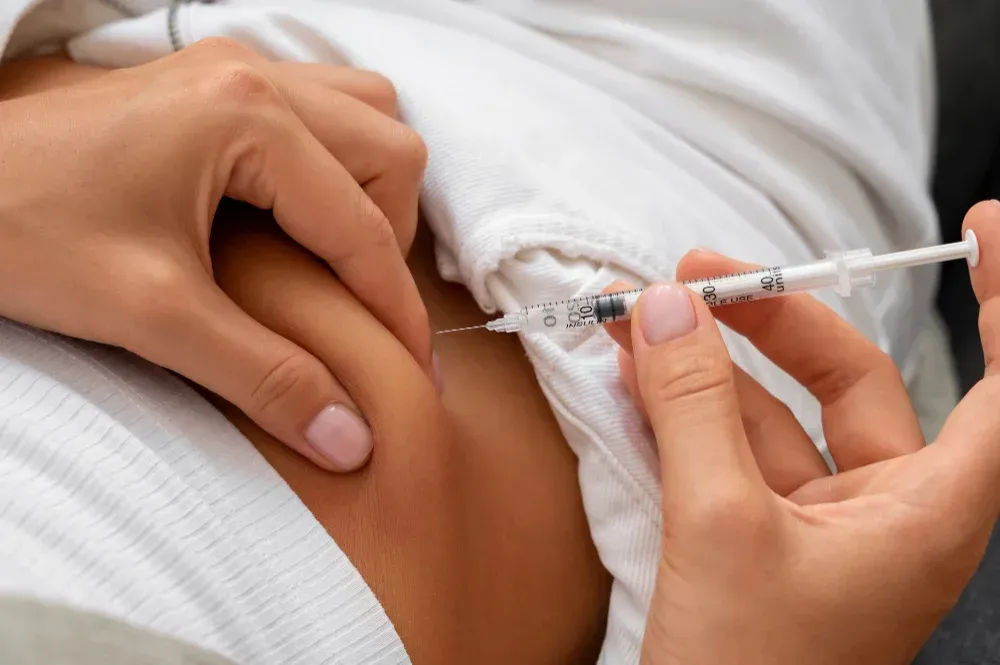
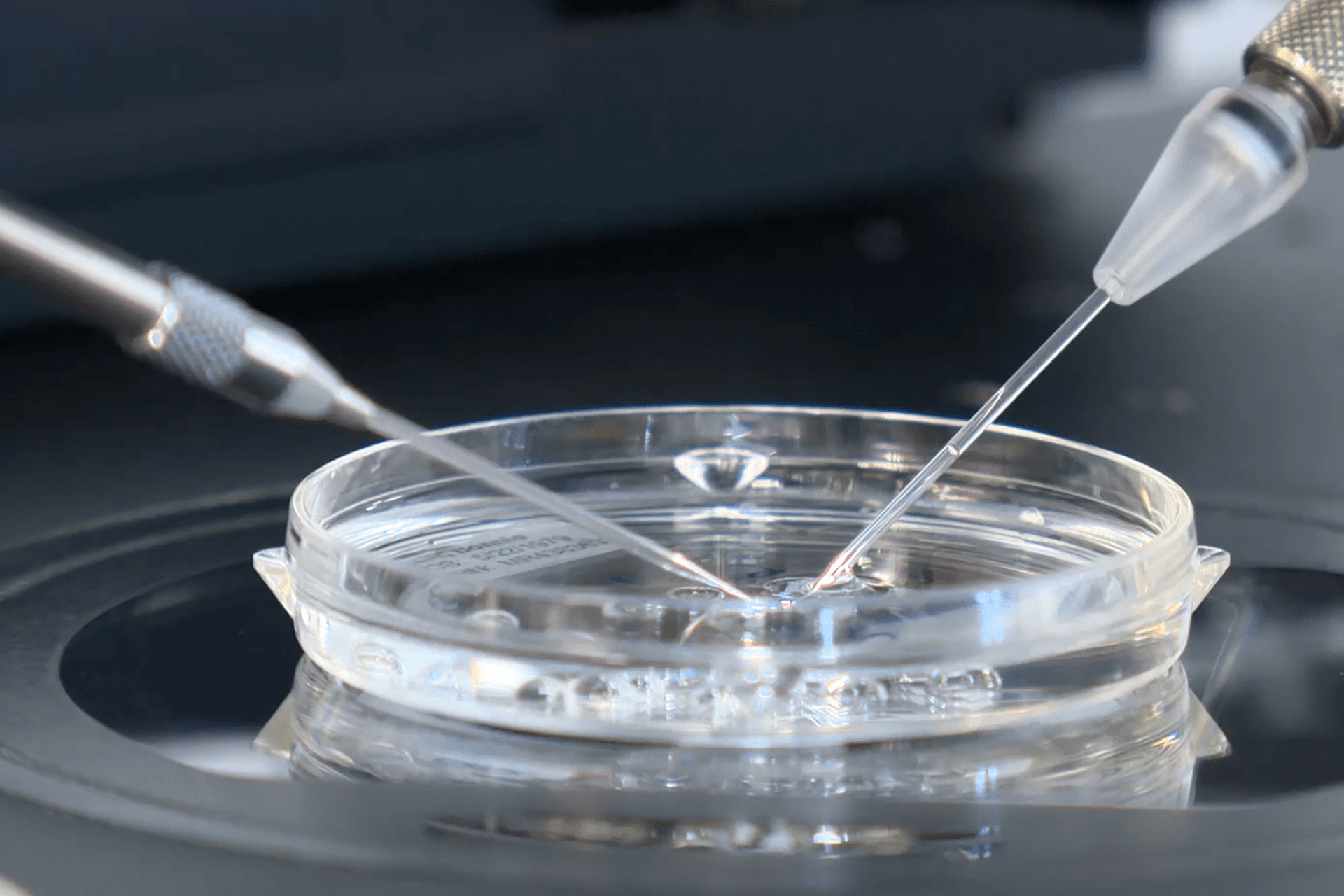
The partner giving the eggs receives fertility pills for the purpose of stimulating the ovaries. When they are ready to collect, the eggs are retrieved during a minimally invasive outpatient egg retrieval procedure.
Step 4: Fertilization With Donor Sperm
The eggs are retrieved and fertilized in the IVF lab with donor sperm to form embryos. Depending on your preferences and treatment plan, donor sperm IVF can either be anonymous or a known donor.
Step 5: Embryo Development
The embryos are carefully monitored for several days to assess their growth and quality. The best embryo is transferred, and any surplus viable
embryos are frozen for future use.
Step 6: Preparing the Uterus
Hormone medication is given to the partner carrying the pregnancy to prepare the uterine lining for the best chance of embryo implantation.
Step 7: Embryo Transfer and Pregnancy Test
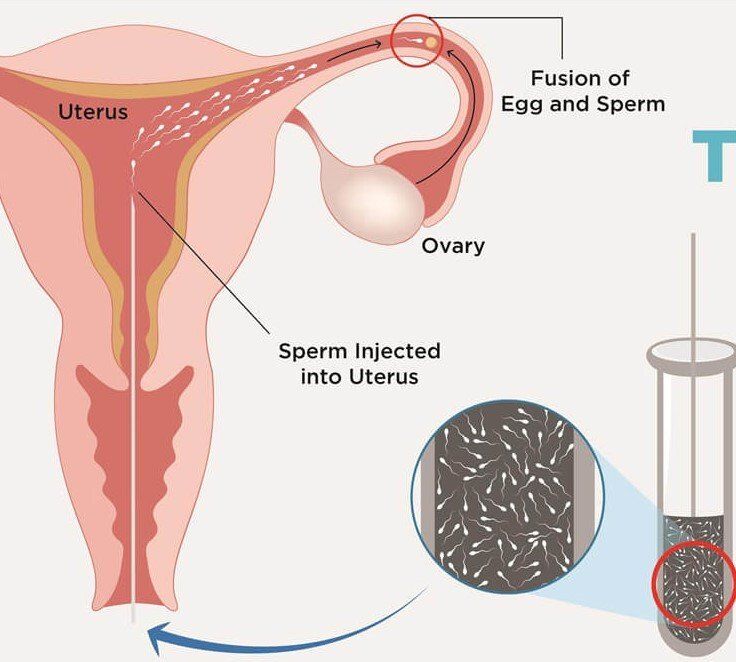
A simple outpatient procedure is used to transfer the chosen embryo into the uterus. A blood test is typically performed 10–14 days later to confirm whether the embryo has successfully implanted and pregnancy has been achieved.
Choosing a Sperm Donor for Reciprocal IVF
Reciprocal IVF treatment is based on selecting a sperm donor. Couples may use the sperm of either a known donor or an anonymous sperm donor from a licensed sperm bank. Which one is best for you will depend on your medical needs, your preferences, and the laws of your state that may require it.
Known vs. Anonymous Donor
A known donor can be a friend, or someone known personally; an anonymous donor is picked out of a licensed sperm bank. Each has pros and cons, and your fertility specialist can help you determine which is best for your family's conception needs.
Medical and Genetic Screening
Each sperm donor is medically screened to minimize the risk of passing some infectious or genetic disorders. In addition to this, licensed sperm banks will check the medical and family history of the donor before they accept the donation.
Choosing the Right Donor
Many couples take into account such things as physical appearance, ethnicity, education, interests, and family medical history when deciding on a donor. Your fertility team can take you through the selection process.
Who Is a Good Candidate for Reciprocal IVF?
Reciprocal IVF may be an option for couples who meet certain medical and personal criteria. Prior to treatment, both partners receive a fertility assessment to determine if this option is right for their fertility planning.
You may be a good candidate if you:
- Are a lesbian and/or female couple wanting to conceive together
- Want both partners to participate in the family-building journey
- Healthy uterus and healthy ovarian function between the two partners
- Trying to conceive with sperm donors
- Healthy overall for fertility treatment and pregnancy
Your fertility specialist will also take into account factors like age, ovarian reserve, uterine condition, and medical history to choose the best treatment available.
Benefits of Reciprocal IVF
Reciprocal IVF treatment offers several advantages, such as:
- Shared parenthood: One partner gives the eggs, the other carries the pregnancy so that both can have a meaningful role.
- A biological connection: One partner has a genetic connection to the baby while the other experiences pregnancy and childbirth.
- Individual fertility treatment: Each treatment plan is uniquely designed for the individual partner based on their medical history, fertility issues, and family goals.
- Future family planning: Healthy embryos can be frozen for future pregnancies or to expand the family later on.
- Established IVF success: Reciprocal IVF is based on the same medical principles as conventional IVF, and success will depend on factors such as age, egg quality, embryo quality, and overall good reproductive health.
Why Choosing the Right Fertility Clinic Matters for Reciprocal IVF
The success of reciprocal IVF depends on more than the treatment itself. Choosing an experienced fertility clinic can help ensure personalized care, advanced laboratory support, and the best possible outcome for both partners.
A trusted fertility clinic should offer:
- An experienced fertility specialist who develops a personalized treatment plan based on each partner's age, fertility evaluation, ovarian reserve, and family-building goals.
- Comprehensive care for both partners throughout ovarian stimulation, egg retrieval, embryo development, embryo transfer, and pregnancy monitoring.
- An advanced IVF laboratory with experienced embryologists, modern embryo culture techniques, and cryopreservation services for future family planning.
At Precision IVF, Dr. Sushila Arya provides personalized care throughout every stage of the reciprocal IVF process. From your initial consultation to embryo transfer and beyond, you'll receive a treatment plan designed around your unique fertility needs.
How Much Does Reciprocal IVF Cost?
The cost of reciprocal IVF treatment varies depending on your personalized treatment plan. It may include:
- Initial consultation and fertility evaluation for both partners
- Fertility medications for ovarian stimulation
- Blood tests, ultrasounds, and treatment monitoring
- Egg retrieval procedure
- Donor sperm
- IVF laboratory procedures and embryo culture
- Embryo transfer
- Embryo freezing and annual storage, if needed
- Optional services, such as preimplantation genetic testing (PGT)
Some couples may require additional treatment or more than one IVF cycle, depending on age, fertility evaluation, and embryo development. Your fertility specialist will discuss the recommended treatment plan and provide a personalized cost estimate during your consultation.
Ready to Learn More About Reciprocal IVF?
If you're exploring reciprocal IVF as a family-building option, schedule a consultation with Dr. Sushila Arya at Precision IVF. Whether you're visiting our fertility centers in Southlake, Frisco, or El Paso, our team is here to answer your questions, explain your treatment options, and help you take the next step with confidence.
FAQs
1. Is Reciprocal IVF More Successful?
Reciprocal IVF has success rates similar to traditional IVF. Success depends on factors such as the egg provider's age, embryo quality, uterine health, and overall reproductive health.
2. Do Reciprocal IVF Babies Look Like Both Parents?
Reciprocal IVF babies inherit genetic traits from the egg provider and sperm donor. The partner carrying the pregnancy does not contribute to the DNA but supports the baby's development during pregnancy.
3. What Are the Risks of Reciprocal IVF?
Reciprocal IVF carries similar risks to traditional IVF, including medication side effects, ovarian hyperstimulation syndrome (OHSS), multiple pregnancy, and the possibility that treatment may not result in pregnancy.
4. Can You Pick the Gender with Reciprocal IVF?
Gender selection is possible only if embryos undergo preimplantation genetic testing (PGT). Availability depends on local regulations, medical indications, and your fertility clinic policies.
5. Can Reciprocal IVF Be Done with Frozen Eggs?
Yes. Reciprocal IVF can be performed using frozen eggs. After thawing, the eggs are fertilized with donor sperm, and the embryo is transferred to the partner carrying the pregnancy.
6. Can Reciprocal IVF Be Done After 40?
Yes. Reciprocal IVF can be performed after 40, but success depends on factors such as egg quality, ovarian reserve, embryo quality, and overall reproductive health.
7.Can Reciprocal IVF Fail?
Yes. Like traditional IVF, reciprocal IVF does not guarantee pregnancy. Success depends on factors including age, egg quality, embryo quality, uterine health, and overall reproductive health.