


Understanding IUI Treatment: Step-by-Step Process and Important Precautions

For individuals and couples who are struggling to conceive, IUI treatment (Intrauterine Insemination) is among the initial fertility treatment proposed. It is not as invasive as IVF and can be used as effective treatment option for certain infertility conditions.
In case you are planning IUI, you can simply get more knowledge about the entire process of IUI, like preparation of the process, steps involved in the procedure, the recovery phase and precautions, this will make you feel more prepared and confident.
This guide will explain you all about the IUI treatment journey.
What Is IUI Treatment?
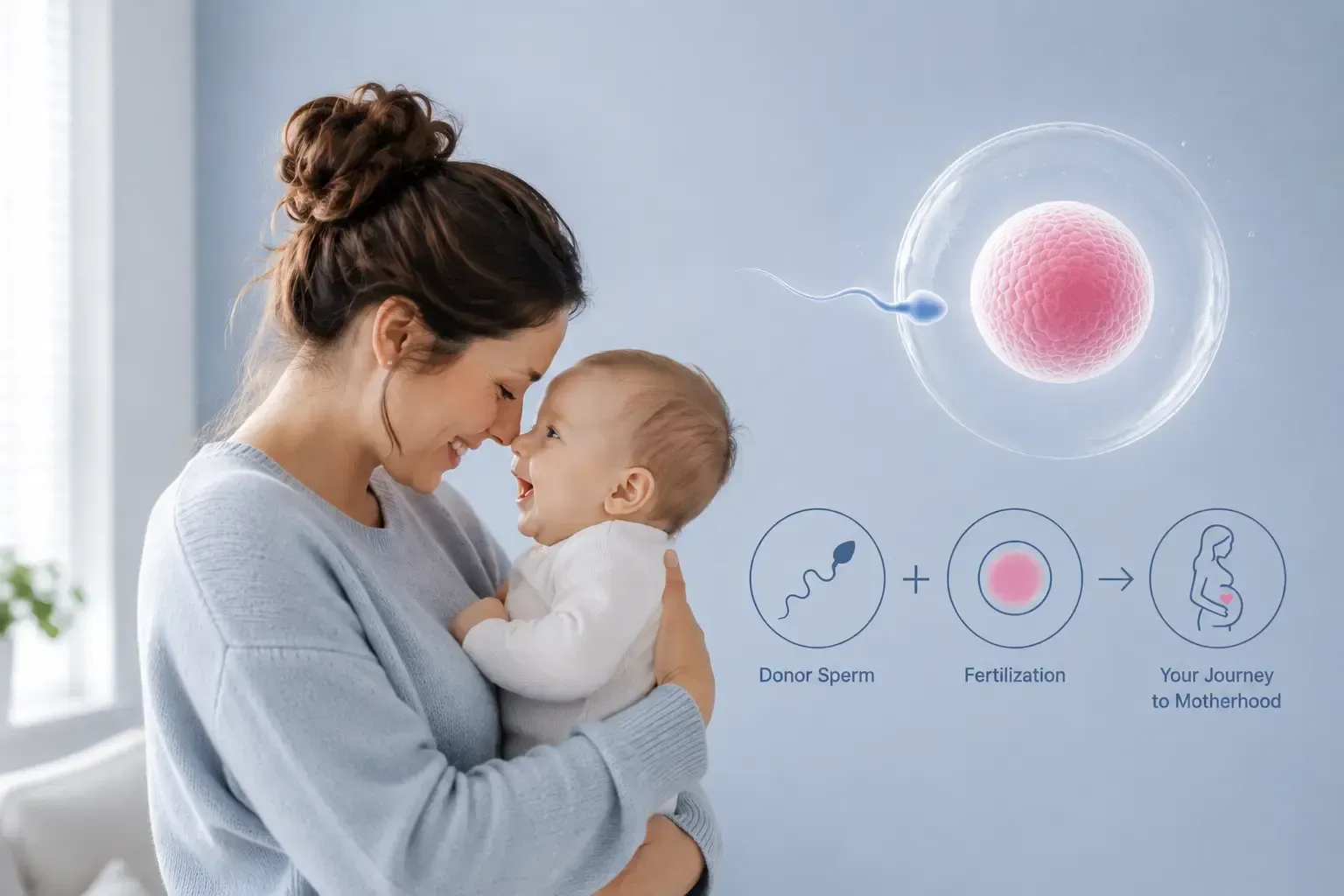
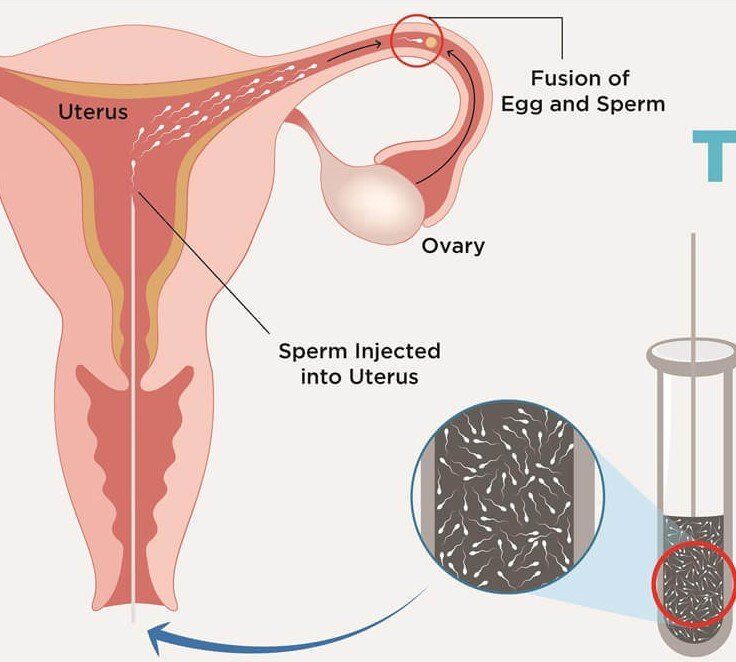
IUI (Intrauterine Insemination) is a procedure of fertility treatment that is involves placing specially prepared sperm directly into the uterus around the time of ovulation. The IUI procedure enhances fertilization chances by bringing the sperms closer to the egg.
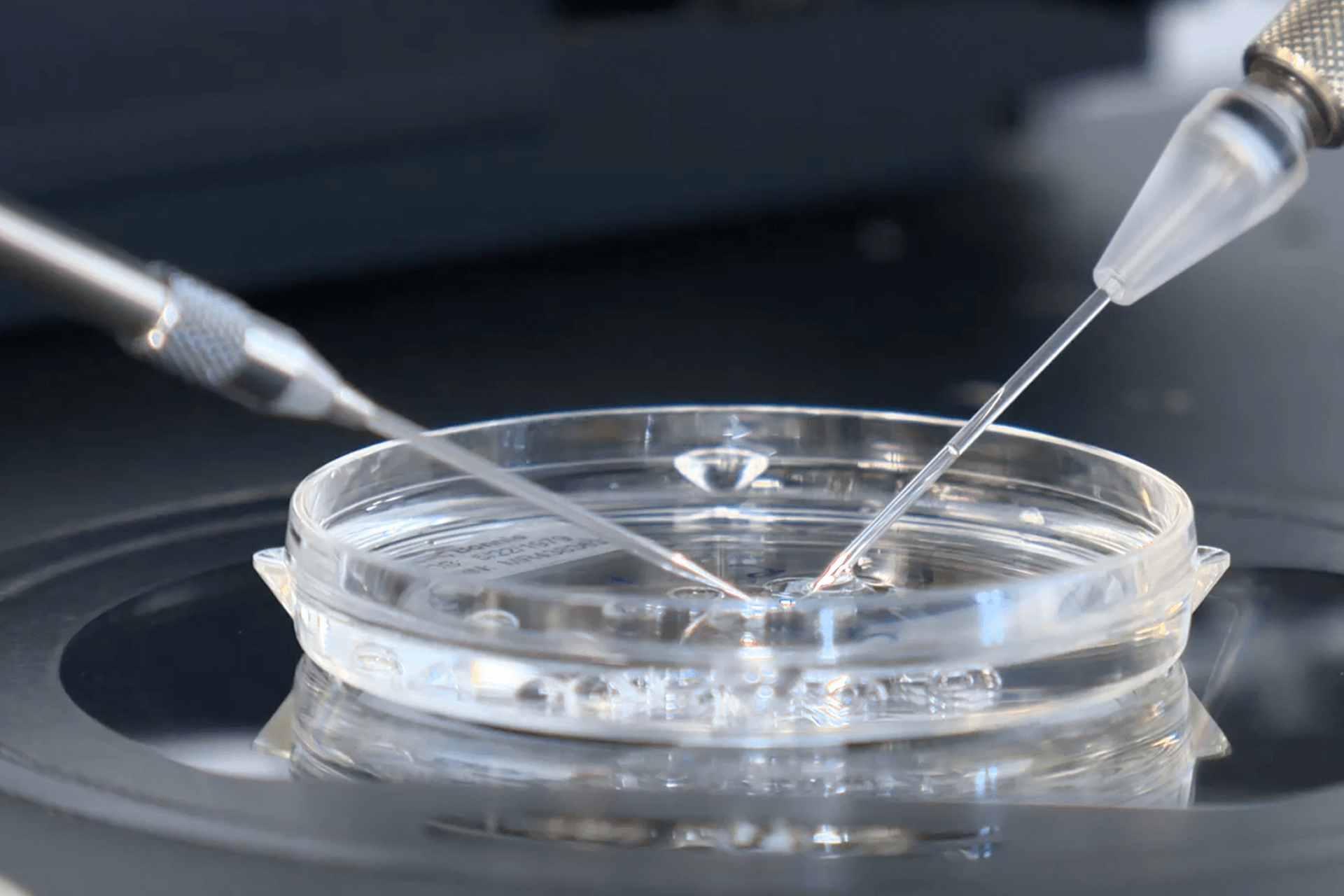
In IUI, the process of fertilization takes place naturally in the body as opposed to IVF.
IUI has been highly encouraged as a first line treatment of fertility before proceeding to more comprehensive methods.
Who Is a Good Candidate for IUI?
Your fertility specialist may recommend IUI treatment if you have:
- Mild male factor infertility.
- Ovulation disorders.
- Unexplained infertility.
- Cervical factor infertility.
- Difficulty with sperm motility.
- Use of donor sperm.
However, IUI may not be suitable for patients with blocked fallopian tubes, severe male factor infertility, or significantly diminished ovarian reserve.
A proper fertility evaluation is essential before starting treatment.
IUI Treatment Process: Step-by-Step
1. Consultation
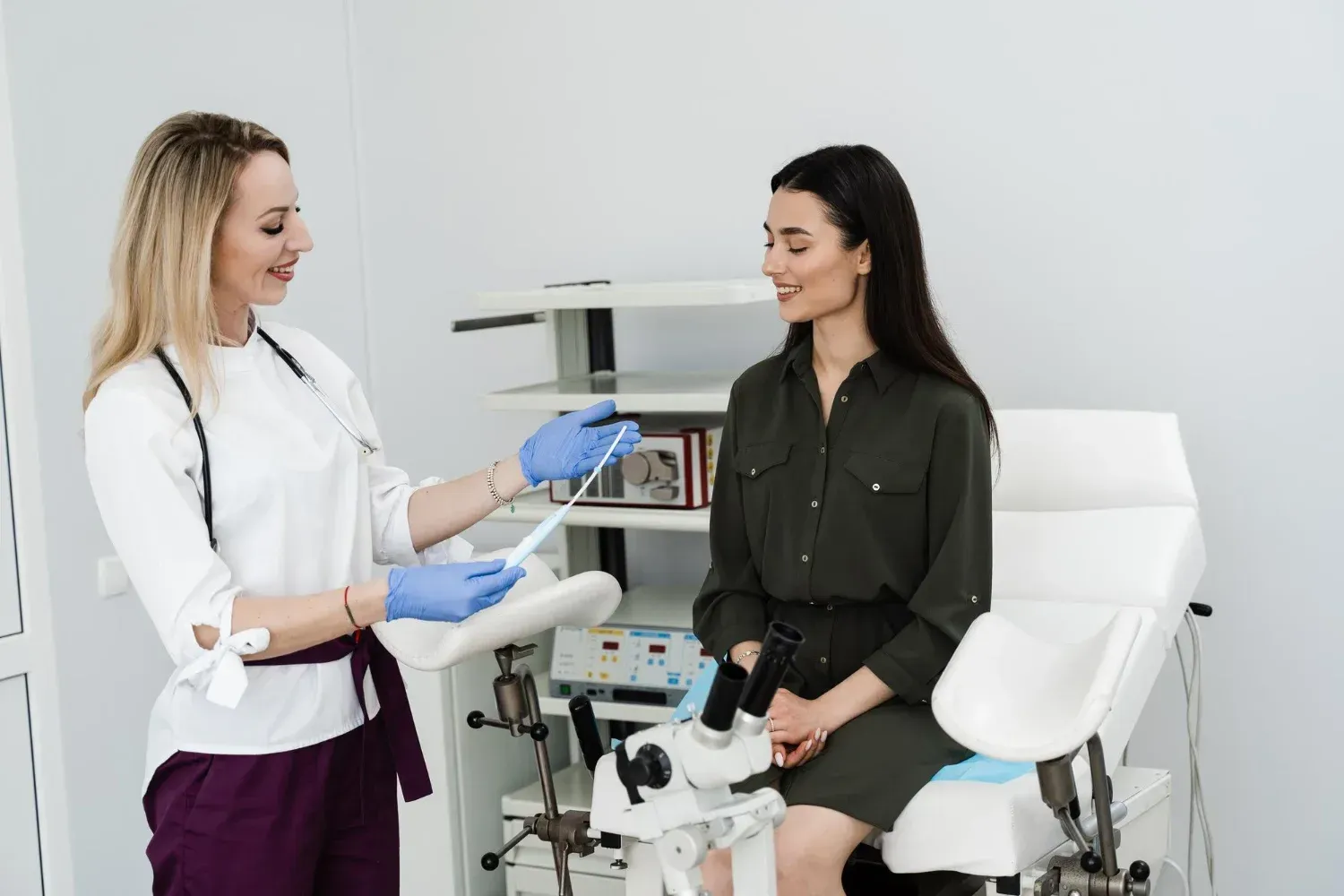
Your journey begins with a comprehensive consultation. In this session, your fertility doctor will examine your medical and reproductive history and can prescribe diagnostic tests, including hormone profiles, pelvic ultrasound, ovarian reserve, and semen analysis.
2. Ovulation Tracking and Cycle Monitoring
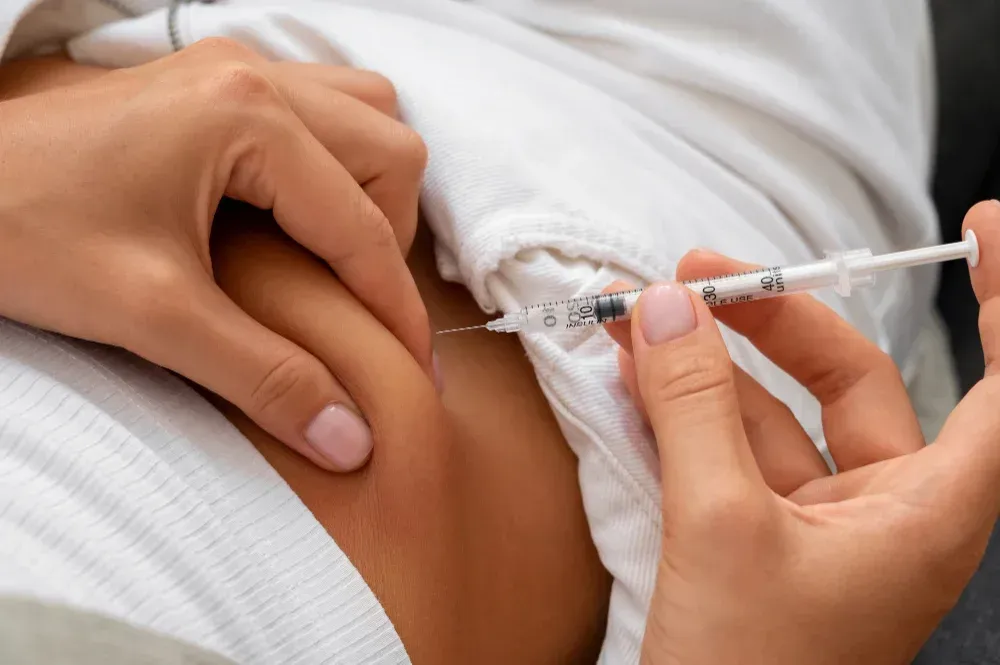
The success of IUI highly depends on timing, and so your cycle will be closely observed. A small number of patients go through a natural phase, whereas others take ovulation-stimulating drugs to stimulate the growth of eggs.
3. Sperm Preparation
The semen sample undergoes to a special laboratory treatment on the day of procedure, which is referred to as sperm washing. This method eliminates debris and non-motile sperms and concentrates the most active and healthy sperms.
The aim is to make a high quality sample in order to enhance the chances of fertilization.
4. The IUI Procedure
The actual insemination is fast and is normally painless. The sperm is prepared and inserted directly into the uterus using a thin and flexible catheter that is inserted through the cervix.
The operation typically requires a few minutes, and the majority of the patients can resume normal functioning the same day.
5. The Two-Week Wait and Follow-Up
The next thing is after insemination, you will go through what is termed as the two week wait. A pregnancy test is usually made after 10-14 days after the procedure.
Depending on your treatment plan, progesterone support may be prescribed. Your care team will provide guidance on expected symptoms and when to contact your doctor with concerns.
After IUI Treatment: Symptoms, Precautions, and What to Expect
What to Expect After the IUI Procedure
The fertility IUI procedure is fast and minimally invasive yet most patients have questions about what happens afterward IUI procedure. Understanding normal symptoms and precautions will assist in reducing stress in the two weeks of waiting.
Majority of the patients can resume daily life activities immediately after the procedure.
However, mild physical symptoms are common.
Cramping After IUI: Is It Normal?
Experiencing cramping after IUI is common and usually mild. Some patients report:
- Light uterine cramping after the catheter placement.
- Mild pelvic pressure.
- Temporary discomfort similar to menstrual cramps.
Both cramping after an IUI and after IUI procedure cramps are typically short-lived and not a cause for concern. However, severe pain, heavy bleeding, or fever should be reported to your fertility specialist.
Bleeding After IUI?
Light bleeding after IUI or spotting may occur due to minor cervical irritation during the procedure. This is usually minimal and resolves within a day.
Heavy bleeding is uncommon and should be evaluated promptly.
Sleeping Position After IUI Treatment
There is no medically required sleeping position after IUI treatment. You do not need to elevate your hips or remain in a specific posture overnight.
Sperm are placed directly inside the uterus during the IUI procedure, meaning gravity does not affect success rates. You may sleep in any comfortable position.
Things to Avoid After IUI
Many patients ask about things to avoid after IUI. While restrictions are generally minimal, your doctor may recommend:
- Avoiding strenuous exercise for a few days.
- Limiting heavy lifting.
- Avoiding smoking and alcohol.
- Following medication instructions carefully.
Most normal daily activities, including walking and working, are safe unless your physician advises otherwise.

Important Precautions Before IUI Treatment
To optimize your IUI success, your doctor may recommend:
- Avoiding smoking and alcohol.
- Following medication instructions carefully.
- Maintaining a healthy weight.
- Limiting high-intensity exercise during stimulation.
- Informing your doctor about supplements or herbal products.
Strict adherence to timing and medication schedules is essential for the best outcome.
4 - 7 Days After IUI: What’s Happening in Your Body?
Between 4 days after IUI and 7 days after IUI, many patients begin closely monitoring their bodies for signs of pregnancy. During this time, fertilization may have already occurred, and implantation could be approaching, but in many cases, it has not happened yet.
Here’s what typically occurs during this window:
4 Days After IUI
At this stage, if fertilization occurred, the embryo is still traveling through the fallopian tube toward the uterus. Most patients do not experience noticeable symptoms.
5 Days After IUI
Around 5 days after IUI, the developing embryo may be nearing the uterus. Symptoms are still uncommon, and it’s completely normal to feel nothing at all.
6 Days After IUI
Implantation may begin around 6 days after IUI for some patients. Mild cramping or very light spotting can occur, but many people remain symptom-free.
7 Days After IUI
By 7 days after IUI, implantation may or may not have occurred. Some patients report:
- Mild cramping
- Breast tenderness
- Fatigue
- Bloating
- No symptoms at all
It’s important not to rely on early symptoms as confirmation of pregnancy. Many sensations during this time are caused by progesterone supplementation or normal hormonal changes rather than implantation.
After IUI: When to Take a Pregnancy Test
One of the most common questions is: After IUI, when should I take a pregnancy test?
Most fertility specialists recommend waiting 10 -14 days after IUI before testing. Testing too early may result in a false negative or a false positive (especially if a trigger shot was used).
Your clinic will usually schedule a blood test for the most accurate result.
Dallas IUI Procedure: Access to Specialized Care
If you are searching for a Dallas IUI procedure, many patients travel within the Dallas–Fort Worth area for specialized fertility care. Choosing an experienced fertility clinic with advanced laboratory support and individualized treatment plans can improve overall care quality.
Start you IUI Journey With Precision IVF
At Precision IVF, we combine advanced fertility technology with personalized care to help maximize your chances of success. Our experienced fertility specialists guide you through every step from evaluation and cycle monitoring to insemination and follow-up care.
We are conveniently located in the Dallas-Fort Worth region (Frisco, Southlake & El Paso), and we are proud to provide patients with fertility support services that they can trust and that will be compassionate...
FAQs
1. How long does the IUI process take from start to finish?
An IUI cycle typically lasts about 2 - 4 weeks, depending on whether medications are used and how your body responds to ovulation monitoring.
2. Where Precision IVF clinic located?
Precision IVF fertility clinic located in 3 locations Frisco, Fort Worth & El Paso.
3. How do I get started with IUI treatment?
You can begin by scheduling a fertility consultation. During your visit, your specialist will review your medical history, perform necessary testing, and determine whether IUI is the right treatment option for you.
4. Is cramping normal after IUI?
Yes, mild cramping after IUI is common. It may occur due to catheter placement during the procedure or normal uterine sensitivity. The discomfort is usually mild and temporary.