


5 Reasons Why PGT Testing is Recommended During IVF | Dr. Sushila Arya
For many patients on the journey to parenthood, the primary goal is a healthy pregnancy in the shortest time possible. To achieve this,
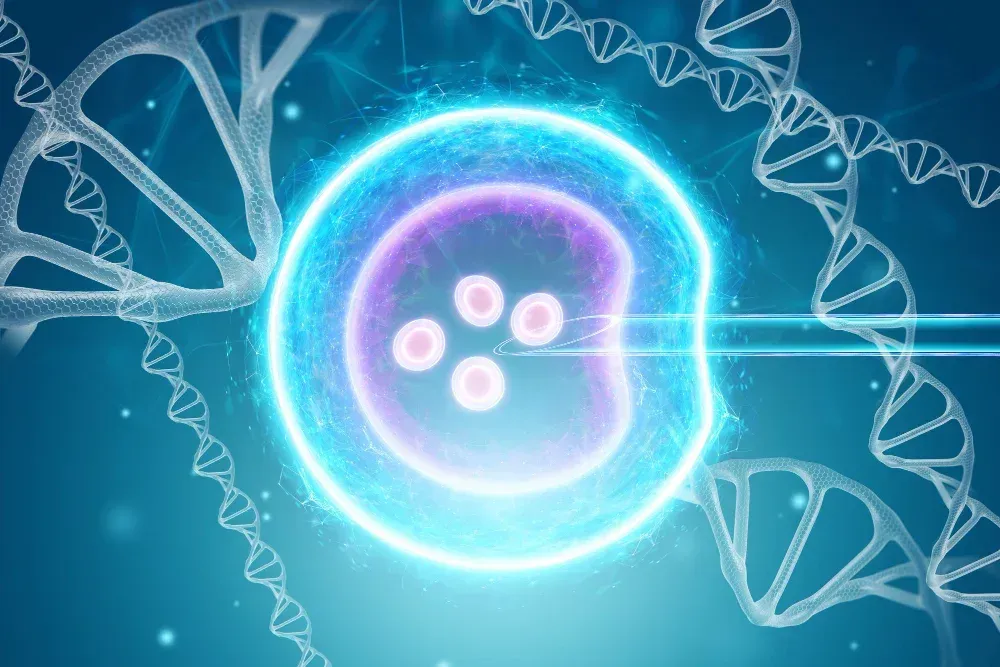
preimplantation genetic testing (PGT) has become a standard of care in modern fertility care. By using embryo genetic testing, it is possible to evaluate an embryo's chromosomal health before transfer, allowing clinical decisions based on objective data rather than visual observation alone.
Repeated IVF failures or miscarriages can make the fertility journey emotionally exhausting. PGT testing helps doctors identify the healthiest embryos before transferring, improving the chances of a successful and healthy pregnancy.
What is PGT Testing in IVF?
Preimplantation Genetic Testing involves screening embryos during
In Vitro Fertilization to spot chromosomal issues before uterine transfer. Experts use this lab process to prioritize healthy embryos for implantation.
Preimplantation testing ensures only healthy embryos reach the uterus. This genetic testing increases the IVF success rates significantly and helps in making the IVF process work better and reduces time spent on unsuccessful cycles.
How PGT Testing Works
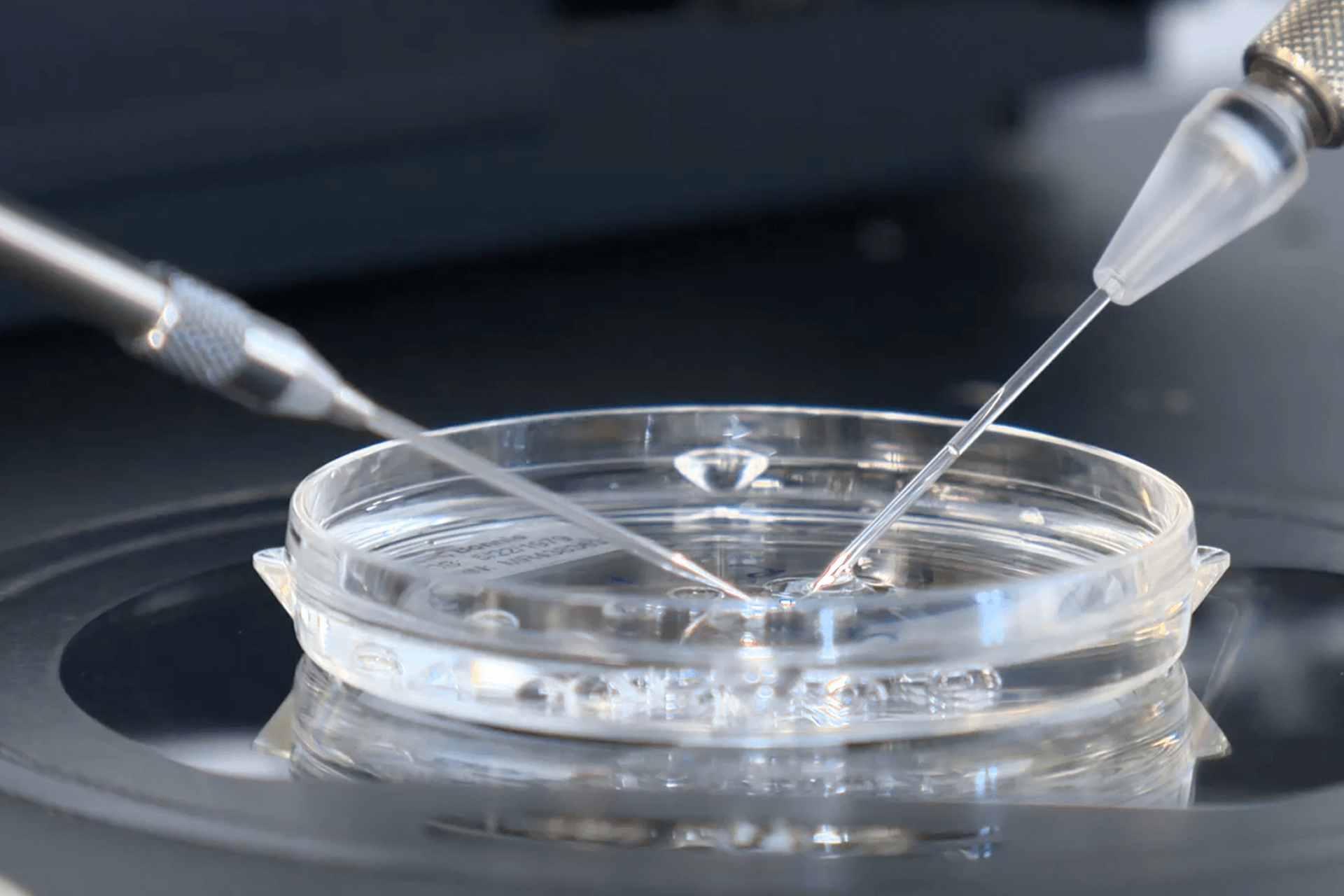
The PGT testing process happens after an embryo gets to a stage called the blastocyst stage at roughly Day 5, 6, or 7 of development. A small sample of cells (biopsy) is taken from the layer called the trophectoderm, which becomes the placenta. This is done carefully so the inner cell mass, which develops into the baby, is not touched and stays safe.
The embryos are kept safely frozen in the laboratory and the biopsied cells are thoroughly genetically analyzed. This IVF with genetic screening allows the clinical team to select the healthiest embryos to be implantation, by identifying the chromosomal makeup of each embryo.
Types of PGT Genetic Testing in IVF
Genetic testing before pregnancy is categorized into three specific areas based on medical necessity. This is important to know in order to know what to do on your particular fertility journey.
PGT-A Testing (Aneuploidy): The most common screen is called PGT-A testing (Aneuploidy). It checks the number of chromosomes in an embryo. When a chromosome is missing or extra, it is called aneuploidy and is associated with a very high risk of embryo failure to implant and/or miscarriage. This test will detect “euploid” embryos containing the proper 46 chromosomes with the greatest potential to deliver a live, healthy baby.
PGT-M Testing (Monogenic): This is a targeted test performed in patients known to carry certain single-gene disorders. PGT-M testing can be used to prevent the transmission of conditions like Cystic Fibrosis, Sickle Cell Anemia, and Huntington's Disease to the child if there is a family history of such diseases.
PGT-SR Testing (Structural Rearrangements):
PGT-SR testing is designed for individuals who have a balanced translocation or inversion. These abnormalities in the parents' chromosomes may result in embryos containing "unbalanced" genetic material, causing a high risk of pregnancy loss or congenital disabilities.
1. Improved Success Rates per Transfer
PGT-A testing has a positive impact on the likelihood of pregnancy taking place. Traditional IVF cycles rely on visual grading of the embryo under the microscope and consider the physical appearance and growth rate. But a perfectly normal-looking embryo on the outside may have serious chromosomal imbalances that make it impossible for it to develop a successful pregnancy.
The clinical team needs to select euploid embryos that have the correct number of chromosomes in order to maximize the likelihood of a first-time implantation. A more efficient result can be achieved by selecting an embryo using objective genetic data instead of the eye alone. This is a specific selection to ensure that each transfer has the best possible chance at success and thus requires the least amount of time to produce a viable pregnancy.
2. Reduced Risk of Miscarriage
In
50% to 70% of all cases, chromosomal abnormalities are responsible for many cases of miscarriage in the first trimester. An embryo will not develop normally if it is missing or has an excessive number of chromosomes necessary for its proper growth and development, and the pregnancy will terminate spontaneously.
By screening embryos before the actual embryo transfer, only chromosomally balanced embryos will be transferred which will minimize the risk of a miscarriage. This will be a defense of the pregnancy and will enable early exclusion of abnormality in the embryo. In short, minimizing the risk of a loss can help prevent the heavy emotional and physical burden associated with pregnancy loss.
3. Precise Detection of Chromosomal Conditions
PGT is very powerful in detecting specific problems with chromosomes before the transfer. The technology involves unique genetic sequencing to count the number of chromosomes in each sample and gives a highly reliable assessment of the embryo's genetic makeup. The screening is done with great accuracy and lab identification of structural and numerical abnormalities is maintained.
The testing is more than 97% to 99% accurate in detecting Trisomy 21 (Down syndrome) and other common trisomies before the embryo is placed in the uterus. This level of diagnosis gives potential parents much clarity. These dependable outcomes enable people to make knowledgeable clinical decisions regarding their reproductive care.
4. Support for Patients Over Age 35
Patients over 35 years old are strongly advised to undergo genetic screening due to the naturally increased risk of chromosomal abnormalities with age. The eggs that survive in the woman's ovaries as she ages become more prone to errors in egg division, most often leading to embryos with an abnormal number of chromosomes (aneuploidy).
Genetic testing for pregnancy over 35 can help older patients by being able to identify chromosomally normal embryos from abnormal ones. This technology boosts the chances of success and helps to maintain them stable for patients in this age group. It keeps age-associated genetic factors from being an obstacle to a successful, ongoing medical terms pregnancy.
5. Safer Single Embryo Transfers (SET)
A Single Embryo Transfer (SET) can be done with confidence if there is an understanding that an embryo is chromosomally healthy. In many cases, clinics would have multiple untested embryos transferred in at once to ensure that at least one would implant. But this clinical method frequently led to high-risk twin and triplet pregnancies, and these pregnancies often had risks for the mother and the fetus.
This will enable the clinical team to go ahead with a high birth rate, while still implanting only one embryo at a time, after first confirming its genetic normality. This not only reduces the medical complications of multiple pregnancies but also prevents cases of low birth weight and premature birth. Then, by making one transfer, you will have a much safer and healthier pregnancy and delivery experience, both for you and your baby.
Is PGT Testing Mandatory for IVF?
Preimplantation Genetic Testing (PGT) is completely selective and may not be necessary for everyone who chooses to do In Vitro Fertilization. Fertility specialists often suggest it to maximize the likelihood of a pregnancy, but the choice is entirely up to the patient. Some people, especially couples, opt out of testing because of cost, for religious reasons, or because they have a large number of embryos to test at a younger age, when the natural risk of having children with genetic problems is lower.
In the end, genetic testing is an optional procedure to provide additional information prior to an embryo transfer. If you decide not to select this testing, your clinical team will choose your embryos based on traditional visual grading, which looks at their physical appearance and how quickly they are growing under the microscope. Whether or not to include PGT in your IVF is a decision that should be made by considering your individual medical history, your age, and your overall treatment timeline goals.
Limitations of PGT Testing
Cannot detect structural or physical defects:
At present, it is not possible to detect physical conditions that develop later on in the womb, such as a cleft palate or heart defects.
Misses complex conditions:
It cannot screen for disorders that are multifactorial, affected by several genes and the environment, for example, autism or diabetes.
Subject to embryo mosaicism: A biopsy may overlook abnormal cells or misjudge a normal embryo if dissimilar cell types are involved
No assurance of implantation or live birth:
A genetically normal embryo is only one part of the equation. PGT cannot fix or predict failure from uterine issues, hormone disorders, blood coagulation disorders, or lining thickness.
Risk of no transferable embryos: It is possible that testing will demonstrate that all the embryos you have are abnormal. Although this prevents the patient from experiencing a failed transfer or miscarriage, it can also mean there are no embryos to transfer at the end of a cycle.
Ambiguous laboratory results: At times, DNA samples may fail to amplify, leaving an embryo with an undetermined status.
It is a screening, not a diagnostic tool: Because it samples the cells that go on to become the placenta (and not the baby itself), it is not 100% indicative, which is why there still needs to be standard prenatal care and ultrasounds during pregnancy.
Conclusion
If you are thinking about IVF and want to give yourself the best shot at a healthy pregnancy, talking to a specialist about PGT testing is a great first step. At Precision IVF, Dr. Sushila Arya is dedicated to helping you build your family using these advanced tools. Finding a healthy embryo right at the start allows us to build a plan made specifically for you. We are here to support you every step of the way at our three clinic locations in Frisco, Southlake, and El Paso.
FAQs
1. How accurate is PGT testing for Down syndrome?
PGT testing for Down syndrome is over 97% to 99% accurate at detecting Trisomy 21 before an embryo is transferred.
2. Is PGT-A testing worth it?
Yes, PGT-A testing is worth it, especially for patients over age 35 or those with a history of miscarriage, because it directly reduces the risk of pregnancy loss and avoids the cost of failed treatment cycles.
3. How accurate is PGT-A testing overall?
PGT-A testing is approximately 98% accurate overall for detecting chromosomal abnormalities.
4. How long does PGT testing take?
PGT testing takes approximately 24 to 48 hours for laboratory equipment to run the actual genetic sequencing process on the biopsied cells.
5. How long does it take to get PGT test results back?
PGT test results typically take between 1 to 2 weeks to come back to the clinic, as this total timeframe accounts for sample shipping, data analysis, and the final medical report generation.
6. Does the biopsy damage the embryo?
No, the biopsy does not typically damage the embryo; the risk is less than 1% when performed by an expert embryologist, as the cells that form the baby are left completely untouched.
7. Can PGT testing determine the gender of the embryo?
Yes, Preimplantation genetic testing can determine the gender of the embryo by identifying the sex chromosomes (XX or XY) for each tested embryo.
8. Does PGT testing guarantee a 100% successful pregnancy?
No, Preimplantation genetic testing does not guarantee a 100% successful pregnancy, but it does significantly raise clinical success rates to roughly 60–70% per transfer by ensuring only healthy embryos are used.
9. Is PGT testing mandatory for every IVF cycle?
No, PGT is not mandatory for every IVF cycle, though Dr. Sushila Arya strongly recommends it for patients over 35 or those with a history of recurrent pregnancy loss.