


Is Egg Freezing Safe? What the Research Actually Says
When considering
egg freezing, the first thing you will probably think about is not “how much does it cost?” or “how long does it take?” The first question most women ask is simple: Is egg freezing safe?
It's a very logical starting point.
Egg freezing (also referred to as oocyte cryopreservation) uses hormone stimulation, a small procedure to retrieve the eggs, and advanced technology to freeze the eggs for future use. But before you make your choice, you deserve facts that are based on research and evidence, not just reassurance.
Here's what the research says, what the egg freezing process involves, and what you can expect when you choose an experienced fertility specialist and fertility clinic.
What Is Egg Freezing and How Does It Work?
Egg Freezing (or oocyte cryopreservation) is a type of
fertility preservation in which healthy eggs are frozen for future pregnancy.
There are three main steps to the
egg freezing process.
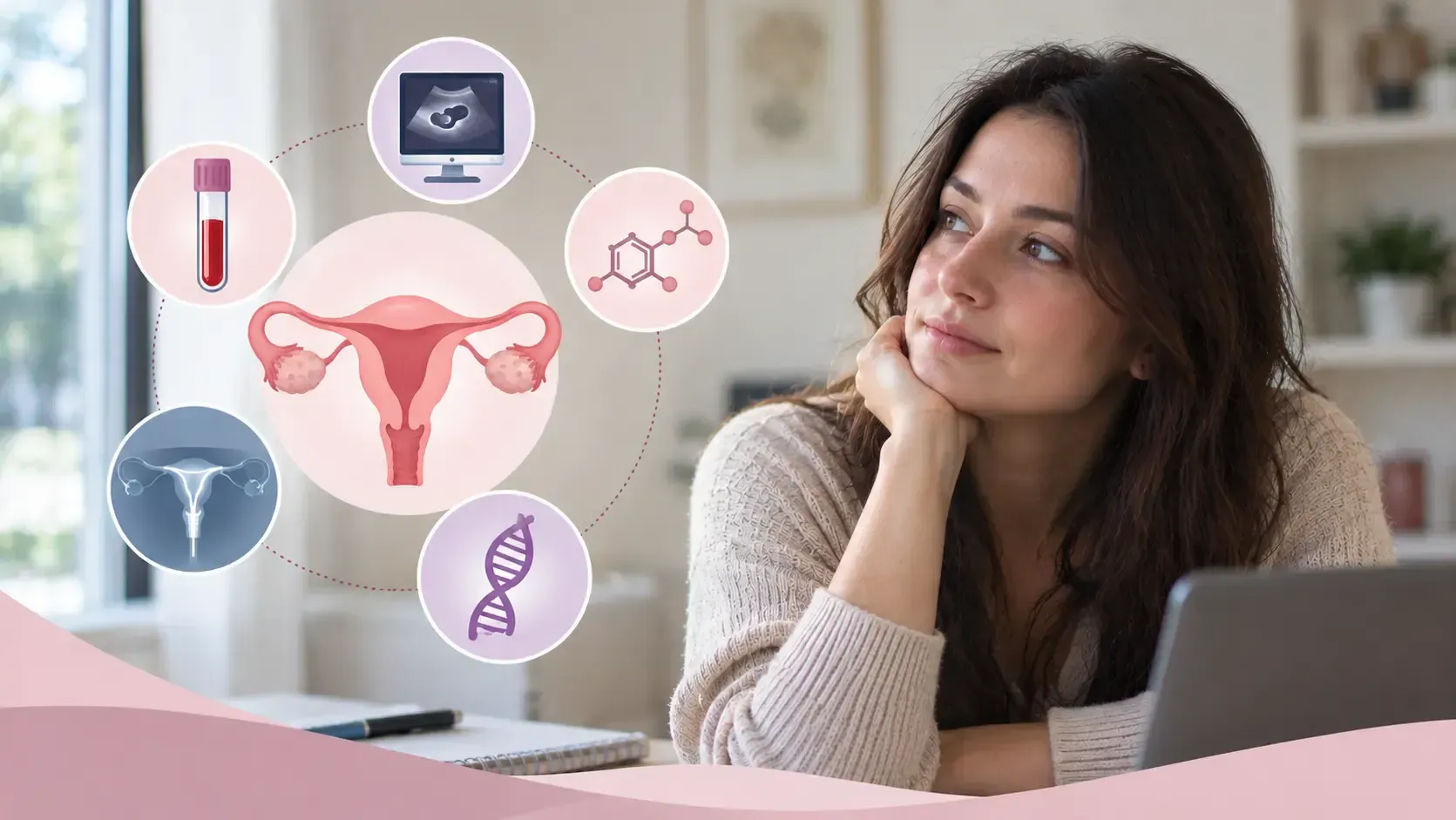
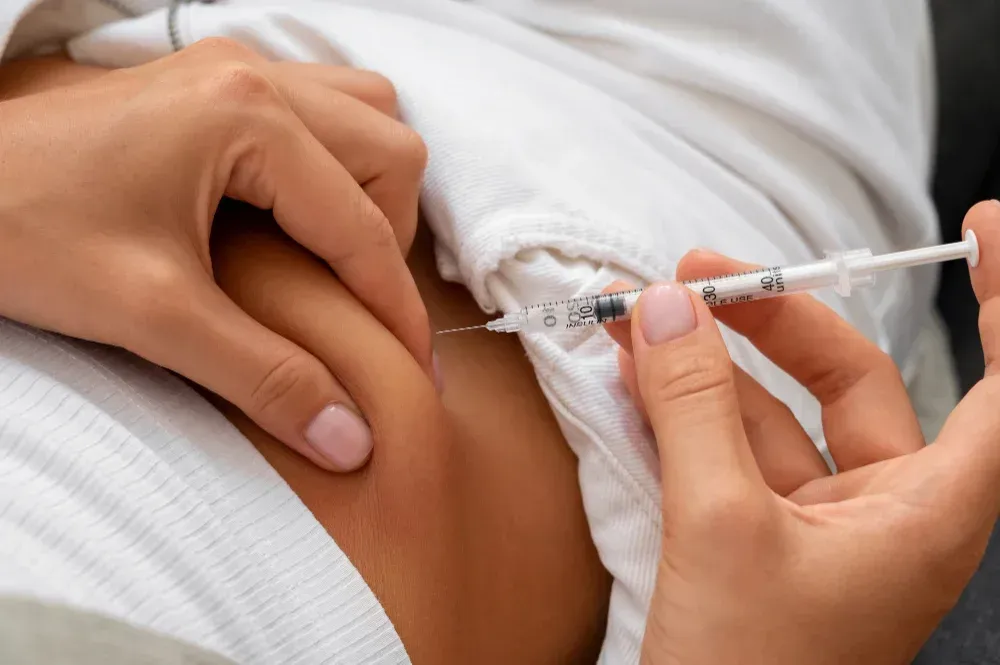
The first step is a series of hormone injections that take place over a period of about 10 to 14 days, stimulating the production of multiple eggs by your ovaries in a single cycle. Your fertility specialist checks how you respond to treatment during this time, using blood tests and ultrasounds.
When eggs are ready, they can be collected in a brief medical outpatient procedure under light sedation. The retrieval usually takes around 20 minutes.
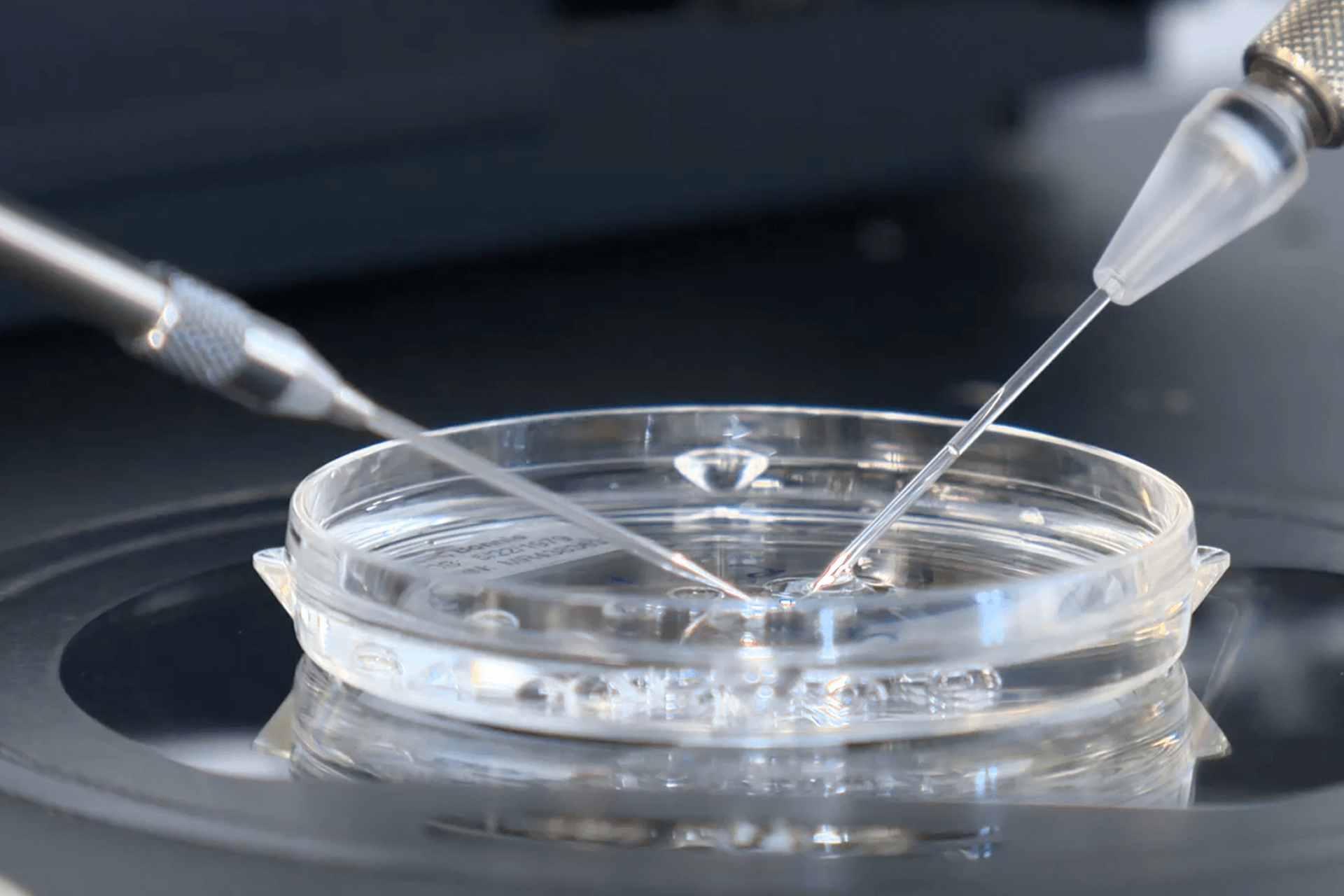
Finally, the eggs are frozen using vitrification, a rapid freezing technique known as vitrification, which stops the formation of ice crystals and helps to preserve them during long-term storage.
The whole egg freezing process typically takes 2-3 weeks, from the initial consultation to retrieval.
Is Egg Freezing Safe?
For most women, the answer is yes. Egg freezing, when performed by an experienced fertility specialist, is a safe and effective
fertility preservation procedure.
The most frequently mentioned risk is ovarian hyperstimulation syndrome (OHSS), which occurs when the follicles of the ovary overreact to fertility drugs. Most of the time, mild OHSS will bring some bloating or discomfort in the pelvis or nausea that will pass within a few days.
Risks for serious complications are rare. The American Society for Reproductive Medicine (ASRM) reports that severe OHSS occurs in only a small proportion of treatment cycles, and other problems like infection, bleeding, or ovarian torsion are rare.
Personalized treatment is one of the major factors behind the advancement of egg freezing safety over the years. Instead of giving the same treatment for all their patients, experienced fertility specialists modify medications according to the patient's age, hormone levels, ovarian reserve, and ultrasound results. By carefully monitoring during the period of stimulation, adjustments can be made to medications, if necessary, to maximize the safety and effectiveness of treatment.
Are Babies Born from Frozen Eggs Healthy?
A lot of women are concerned about the impact of their eggs being frozen on the future baby. Fortunately, there are answers after decades of research that give good reasons for peace.
Babies born from frozen eggs do not appear to be more likely to have birth defects than babies born from fresh eggs using IVF, says the
American Society for Reproductive Medicine. Studies also indicate that the drugs given during ovarian stimulation do not raise a woman's risk of cancer.
In 2012, ASRM ended its labeling of 'experimental' on the cryopreservation of oocytes, due to studies that demonstrated comparable pregnancy rates between frozen and fresh eggs.
One of the main reasons for these enhancements is the modern freezing process (vitrification) – the most advanced technique for today's best fertility clinics. Vitrification helps to increase the chances of eggs thawing out and allowing for a successful pregnancy years down the road by preventing the formation of ice crystals inside the egg.
Who Should Consider Egg Freezing?
While not suitable for all women, egg freezing may be a great option for those who wish to preserve their fertility in the future.
If you consider egg freezing, you might:
- Decide to postpone pregnancy for personal, educational, or career goals.
- You are currently undergoing treatment for cancer or other medical conditions that may impact fertility.
- History of premature ovarian insufficiency or early menopause.
- Prefer more options regarding reproduction in the future than at this moment.
There are no set guidelines about egg freezing age, but experts suggest that the age of 35 is the best time to freeze eggs if possible. This is the optimum time to freeze eggs, as the quality and quantity of the eggs naturally diminish with age.
If you're in your late 30s, you still may be able to freeze your eggs. If you are considering treatment, a fertility exam can help determine if the treatment is appropriate, as it involves hormone testing and an ultrasound scan.
Fresh vs Frozen Eggs
The question that a lot of patients will ask is whether fresh eggs vs frozen eggs have an impact on the chances of pregnancy or not.
With the success of the new vitrification techniques, frozen eggs have become more useful in many cases of
IVF treatments, and offer pregnancy outcomes comparable to fresh eggs. If eggs are frozen at an earlier age and given proper care by a competent fertility clinic, the pregnancy rate can be similar.
Egg freezing can provide women who are not yet ready to become parents the chance to freeze their eggs now to have them available for future pregnancies.
Egg Freezing vs Embryo Freezing
Egg and embryo freezing are both good methods of preserving fertility, but choosing between the two will depend on individual situations.
| Egg Freezing | Embryo Freezing |
|---|---|
| Unfertilized eggs are frozen | Before freezing, eggs are fertilized with sperm |
| No sourcing of sperm is required | A sperm source is needed prior to treatment |
| Provides more options for future family planning | This is frequently the choice for couples who are willing to make embryos |
| Ideal for women who want to preserve their fertility independently | May have slightly higher success rates as embryos are already formed |
When you're not sure which is best, your fertility specialist will be able to tell you about the pros and cons of egg freezing vs embryo freezing, depending on your age, your fertility objectives and your medical history.
Why it is important to choose the right fertility clinic
The success of egg freezing depends on more than the procedure itself. The right choice of fertility clinic can actually be the difference in safety and outcomes.
A good clinic will have:
- An expert fertility doctor who tailors treatment to you based on your age, ovarian reserve, hormones, and family-building objectives.
- Attention to safety and treatment throughout the entire stimulation period, permitting medication adjustments should they be necessary to optimize safety and treatment outcomes.
- Advanced vitrification technology and a high-quality laboratory for egg freezing and long-term storage.
From the initial stages of egg freezing to the final stages, Dr. Sushila Arya at Precision IVF can be found at each and every step. You'll receive a treatment plan customized to your individual fertility requirements from your first consultation, through to long-term egg storage.
How Much Does Egg Freezing Cost?
The cost of egg freezing is dependent upon the treatment plan. It may include:
- First consultation and fertility assessment.
- Fertility medications
- Tracking appointments such as blood tests and ultrasounds
- The egg retrieval process
- Laboratory services, such as vitrification and egg freezing
- Annual egg storage charges
For some women, multiple egg freezing cycles may be necessary in order to reach the desired fertility objectives. Your fertility specialist will discuss and assist you in determining if further cycles are recommended based on your age, ovarian reserve, and how many eggs have been retrieved.
When you come for your consultation appointment at Precision IVF, Dr. Sushila Arya will discuss the costs of egg freezing, review your customized treatment plan, and answer your questions before you start your course of treatment.
Ready to Learn More About Egg Freezing?
If you’re considering egg freezing and want to explore your fertility preservation options, schedule a consultation with Dr. Sushila Arya at Precision IVF. Whether you’re in Frisco, TX, Southlake, or El Paso, our team is here to answer your questions and help you take the next step with confidence.
FAQs
1. Is egg freezing painful?
Most women experience only mild discomfort during the stimulation phase, such as bloating or soreness from the injections. The egg retrieval is performed under sedation, and mild cramping afterward usually resolves within a day or two.
2. How many eggs should I freeze?
The ideal number depends on your age and ovarian reserve. Many fertility specialists aim to freeze 10 to 20 mature eggs, but your doctor will recommend a personalized goal after your fertility evaluation.
3. Does egg freezing affect future fertility?
No. The eggs collected during treatment are part of the group your body would naturally lose that month. Egg freezing does not reduce your future fertility or cause early menopause.
4. What is the success rate of frozen eggs?
Modern vitrification allows most frozen eggs to survive the thawing process. Pregnancy success depends on your age when the eggs were frozen, egg quality, and the number of healthy embryos created during IVF.
5. How long can frozen eggs be stored?
Frozen eggs can remain stored for many years without losing quality because freezing stops the natural aging process. Most fertility clinics charge an annual storage fee, and storage policies may vary.
6. Can I freeze my eggs if I have PCOS?
Yes. Women with PCOS can successfully undergo egg freezing, although they may have a higher risk of OHSS. Close monitoring by an experienced fertility specialist helps keep treatment safe.
7. Can you freeze eggs with low ovarian reserve?
Yes. Women with a low ovarian reserve can still benefit from egg freezing, although fewer eggs may be retrieved. Your doctor may recommend freezing eggs sooner or completing multiple cycles to improve your chances of future success.