


Genetic Testing in Southlake, TX
If you are considering
IVF treatment, then you may have concerns about whether your embryos are genetically healthy or whether testing provides information before transfer. Precision IVF offers preimplantation genetic testing (PGT) as a part of personal fertility care for patients seeking genetic testing in Southlake, TX.
Dr. Sushila Arya can guide you in understanding if PGT testing is right for you. Your treatment options and tests are discussed based on your medical history, family history, reproductive history and your treatment goals.
What Is Preimplantation Genetic Testing?
Preimplantation genetic testing (PGT) is a genetic test used to analyze embryos formed through in-vitro fertilisation (IVF). It checks for genetic or chromosomal abnormalities that could be carried by an embryo.
There are several reasons for using PGT, including checking for abnormal chromosome numbers, screening for known inherited genetic conditions, and detecting structural rearrangements. The type of testing depends on the particular genetic concern being evaluated.
PGT is used to identify genetic variations before transferring the embryo into the uterus when making decisions about IVF treatment.

Who May Consider Genetic Testing During IVF?
Genetic testing for pregnancy may be considered during IVF if you:
- Knows and has an inherited genetic disorder.
- Have a family history of a genetic condition
- Either you or your partner has a genetic disorder that can be passed on to your child
- A parent with a known translocation or inversion of their chromosomes.
- Experience multiple miscarriages and have questions about PGT
- Had a previous pregnancy or child with a known genetic condition
- Were undergoing IVF and considering embryo testing based on your circumstances.
Types of Genetic Testing Available With IVF
There are several types of
preimplantation genetic testing, each designed to address a separate concern. The right kind of testing will depend on your medical and family history and your fertility specialist's needs.
PGT-A Testing for Chromosomal Abnormalities
Preimplantation genetic testing for aneuploidy (PGT-A) examines the number of chromosomes of an embryo. It is able to detect aneuploidy (extra or missing chromosomes) in embryos.
PGT-M Testing for Single-Gene Disorders
Preimplantation genetic testing for monogenic disorders (PGT-M) is performed where there is an estimated risk of transmitting a disorder that is passed down by a single gene. It can provide a test for a specific genetic defect that has been detected in the family.
PGT-SR Testing for Chromosomal Structural Rearrangements
Preimplantation genetic testing for structural rearrangements (PGT-SR) is used in cases of a known structural chromosome rearrangement in one of the parents like a translocation or inversion. That rearrangement may produce certain imbalances of the chromosomes which are present in the test.
How Does Genetic Testing Work at Precision IVF in Southlake?
Consultation and Evaluation
If you are considering genetic testing for pregnancy or are advised to do so following your fertility consultation, Dr. Sushila Arya will check your medical and family history, reproductive history, and treatment goals in order to decide which tests might be relevant.
Ovarian Stimulation and Egg Retrieval
Fertility medications are used to stimulate the ovaries and help multiple eggs develop. When the eggs have grown, they're retrieved via an egg removal method.
Fertilization and Embryo Development
Eggs collected are fertilised using sperm in the lab. The resulting embryos are then tracked for development until they are seen as blastocysts; these then proceed to genetic testing.
Embryo Biopsy
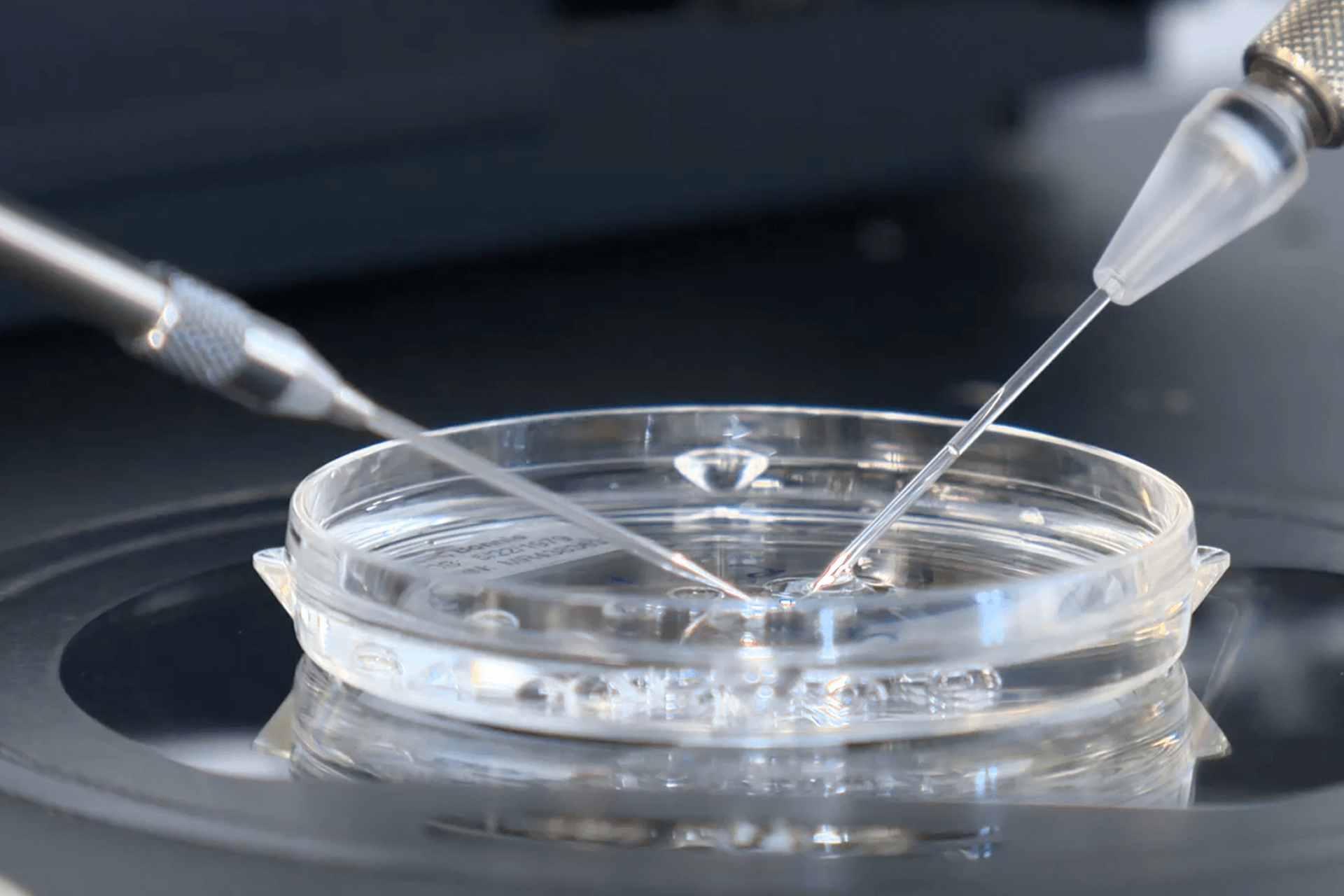
A small number of cells is taken from the blastocyst for testing the genetic make-up. The embryo is then frozen and the sample sent to a lab specializing in testing.
Genetic Testing and Results
Based on a specific form of PGT, cells are analyzed in the lab. When the results have come in, the fertility team discusses them with you and outlines the implications for your treatment.
Embryo Transfer
Once the results are checked, Dr. Sushila Arya tells you the next steps for your particular treatment plan. In the frozen embryo transfer cycle, an embryo may be selected for transfer if it is appropriate.
Why Choose Precision IVF for Genetic Testing in Southlake?
Expert Egg Freezing Specialist
Dr. Sushila Arya is a board certified fertility and infertility doctor with a double board certification who has over 10 years of experience in reproductive medicine, including egg freezing and fertility preservation.
Personalized Fertility Care
Precision IVF offers personalized fertility care tailored based on your medical history, reproductive objectives, and treatment requirements.
Convenient Southlake Location
Precision IVF's fertility clinic in Southlake will make genetic testing, IVF, and other fertility treatments available to patients conveniently located in Southlake and the surrounding Dallas-Fort Worth area.
Insurance and Financing Options
Precision IVF offers financing options with PatientFi to make the process of fertility treatment accessible, and will accept a variety of insurance plans.
Comprehensive Fertility Services
Precision IVF is a fertility clinic that provides IVF services, genetic testing, egg freezing, fertility preservation, and other reproductive treatments for various fertility requirements.
Advanced Reproductive Technology
Precision IVF uses advanced reproductive technology, including preimplantation genetic testing (PGT), as part of appropriate IVF treatment plans.

Get Started With Genetic Testing in Southlake
Every fertility journey is different. Dr. Sushila Arya is here to help you understand your genetic testing options and determine the next steps that are right for you. Contact Precision IVF in Southlake today to schedule your consultation.
Our Locations to serve You Better!


Southlake
470 E State Hwy 114, Southlake, TX 76092 at Grace Ambulatory Surgery Center

Frequently Asked Questions
1. How accurate is preimplantation genetic testing (PGT)?
PGT is highly accurate for the specific genetic or chromosomal abnormality being tested, but it is not 100% diagnostic. False-positive, false-negative, and inconclusive results can occur. Prenatal diagnostic testing is recommended to confirm PGT findings during pregnancy.
2. How much does genetic testing cost at Precision IVF in Southlake, TX?
The cost of genetic testing at Precision IVF varies depending on the type of PGT required, the number of embryos tested, and laboratory testing requirements. Your fertility team can provide a personalized cost estimate during consultation.
3. How long does it take to receive genetic testing results?
The time required to receive PGT results varies by the type of testing and laboratory. PGT-M may require test development before embryo testing, which can take several weeks to months. Embryo testing timelines depend on the laboratory and test performed.
4. Can genetic testing determine the sex of an embryo?
Yes. PGT-A evaluates the sex chromosomes, X and Y, so the test may provide information about an embryo's chromosomal sex. Whether this information is disclosed or used for embryo selection depends on the clinic's policies and applicable considerations.
5. What happens if all embryos have abnormal genetic testing results?
If all tested embryos have abnormal results, your fertility specialist will review the findings and discuss available options based on your circumstances. These may include another IVF cycle, additional genetic counseling, or other reproductive options.
6. What happens after genetic testing results are available?
Your fertility team reviews the PGT results with you and explains which embryos may be appropriate for transfer based on the testing performed. If pregnancy occurs, prenatal screening or diagnostic testing may still be recommended to confirm genetic findings.